Brand Experience/2023
WINDOW SCENE
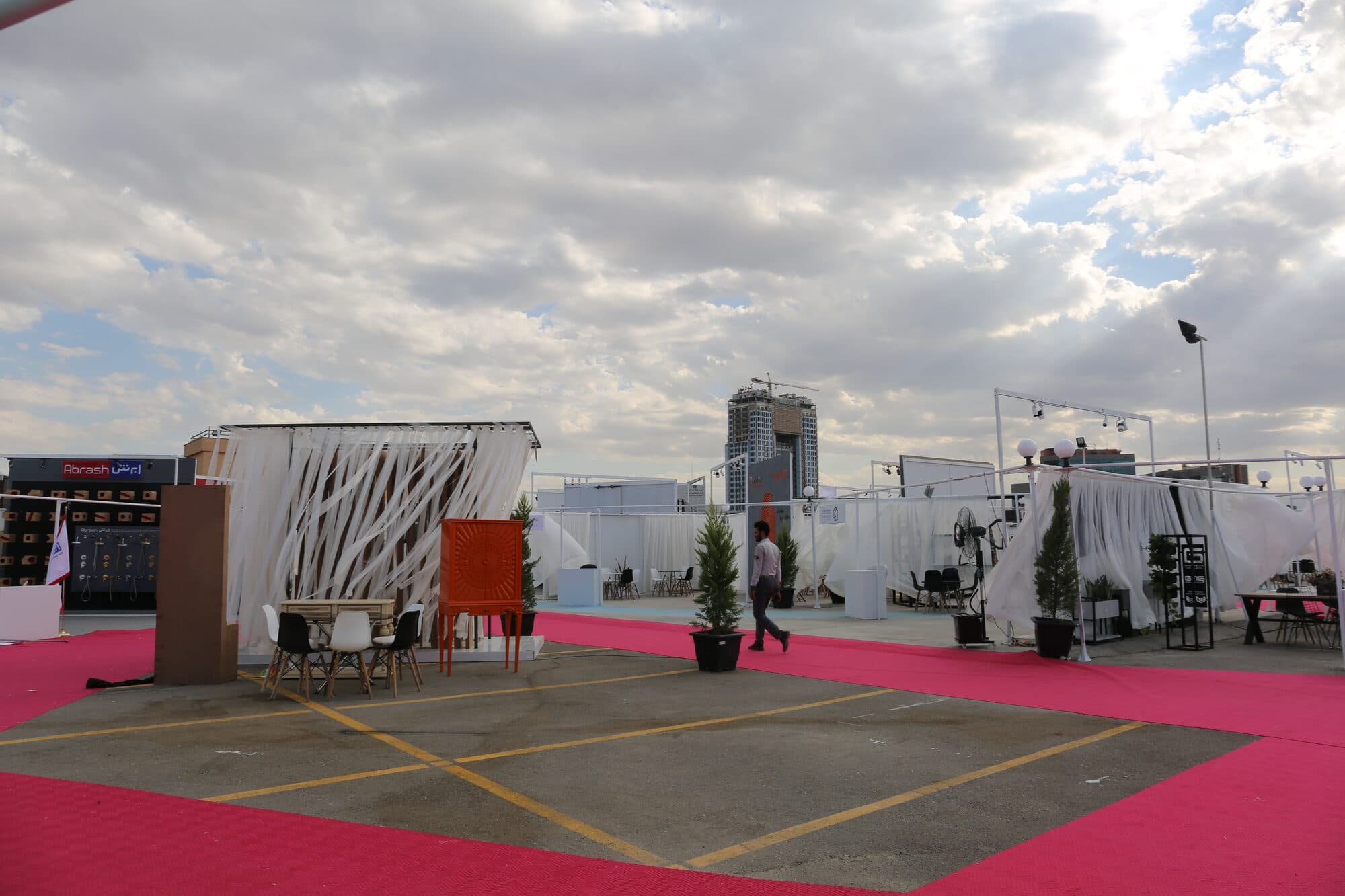
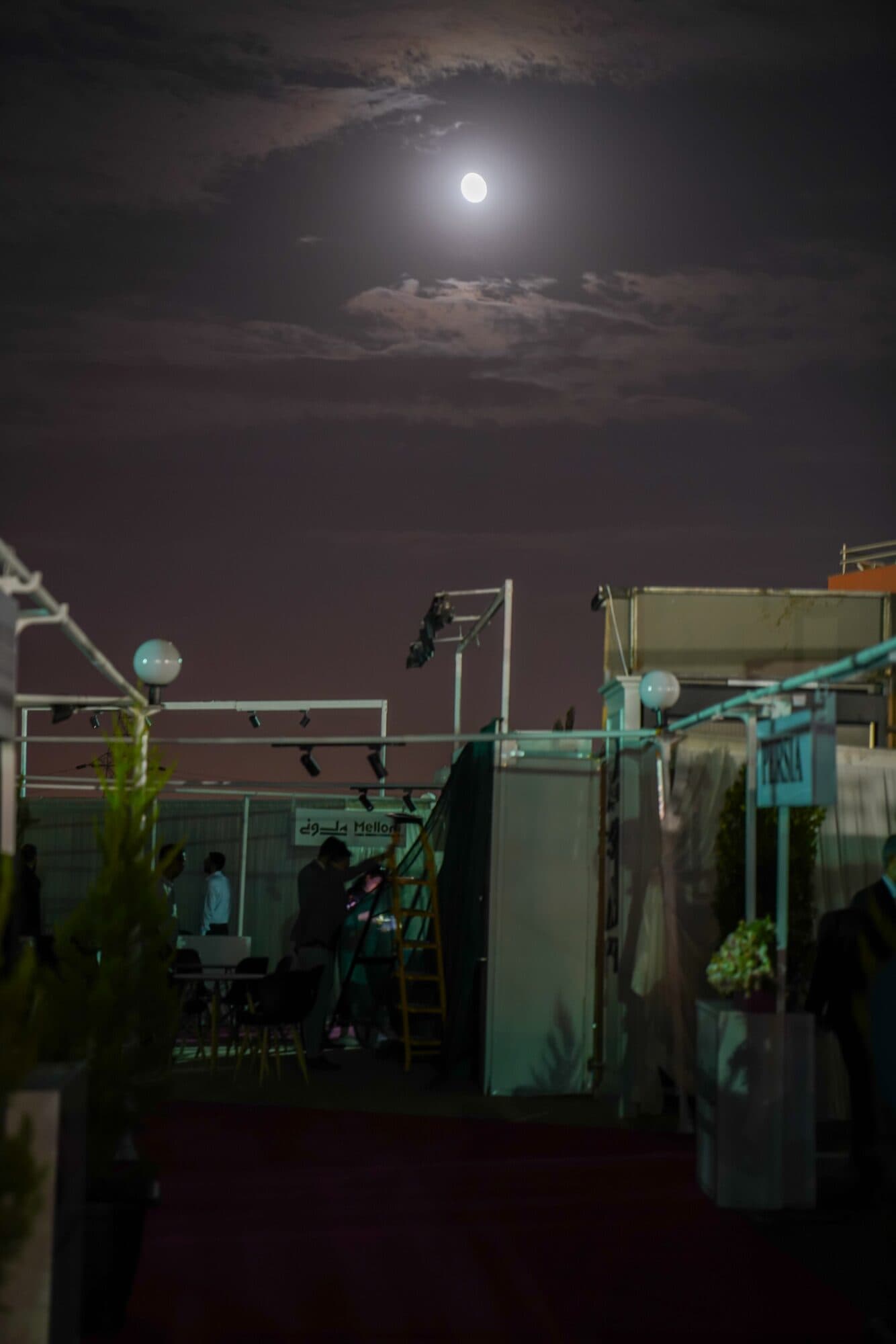
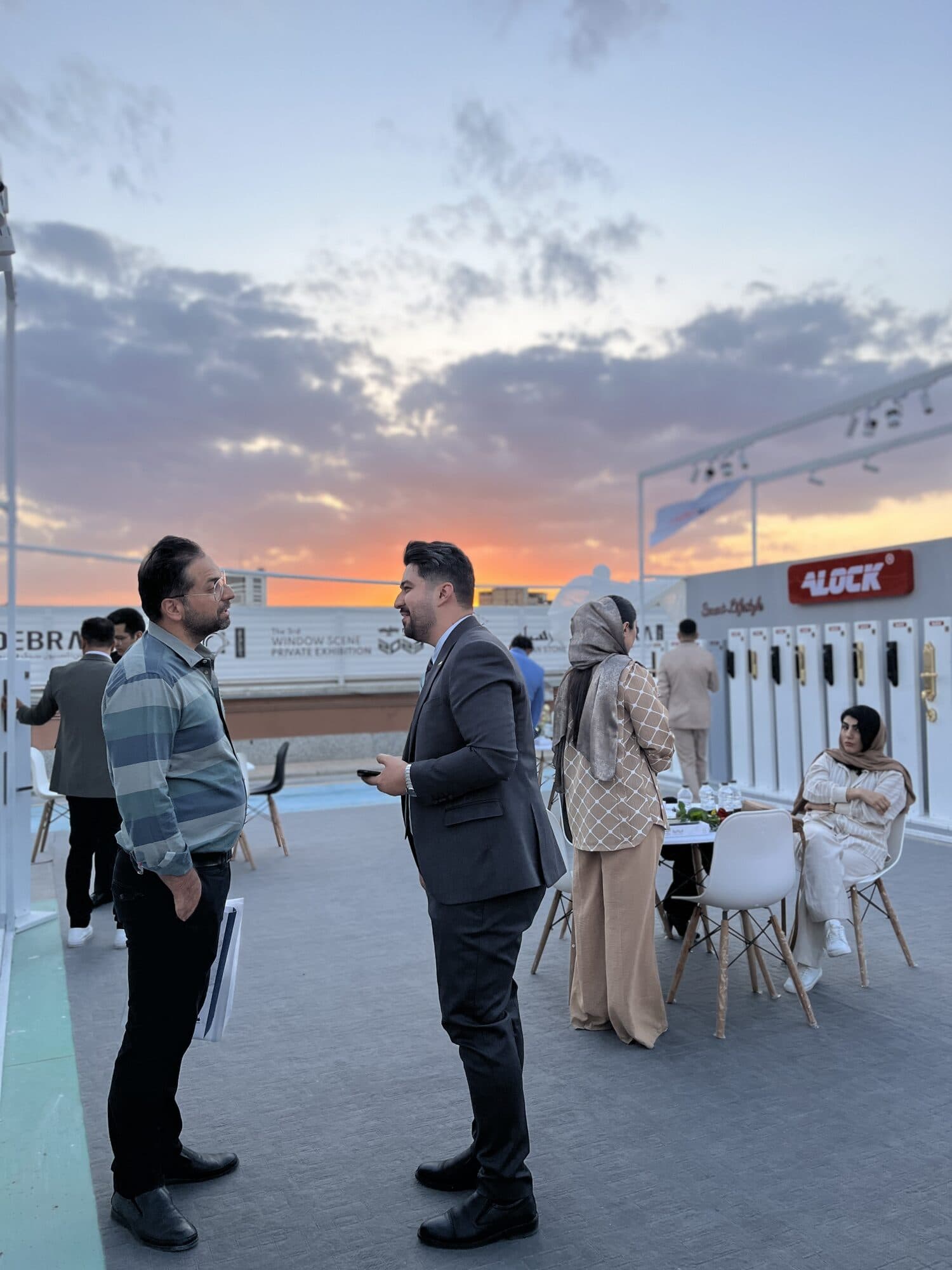
The format had worked in a hall and then in a garden. What it had never done was run without a building at all — and the site on offer was the open upper deck of a working sports complex, with no walls, no ceiling and a city on every side.
- Client
- Banaye Bartar
- Place
- Imam Reza Sports Complex, Mashhad
- Year
- 2023
- Category
- Brand Experience
The challenge
The format had worked in a hall and then in a garden. What it had never done was run without a building at all — and the site on offer was the open upper deck of a working sports complex, with no walls, no ceiling and a city on every side.
What changed
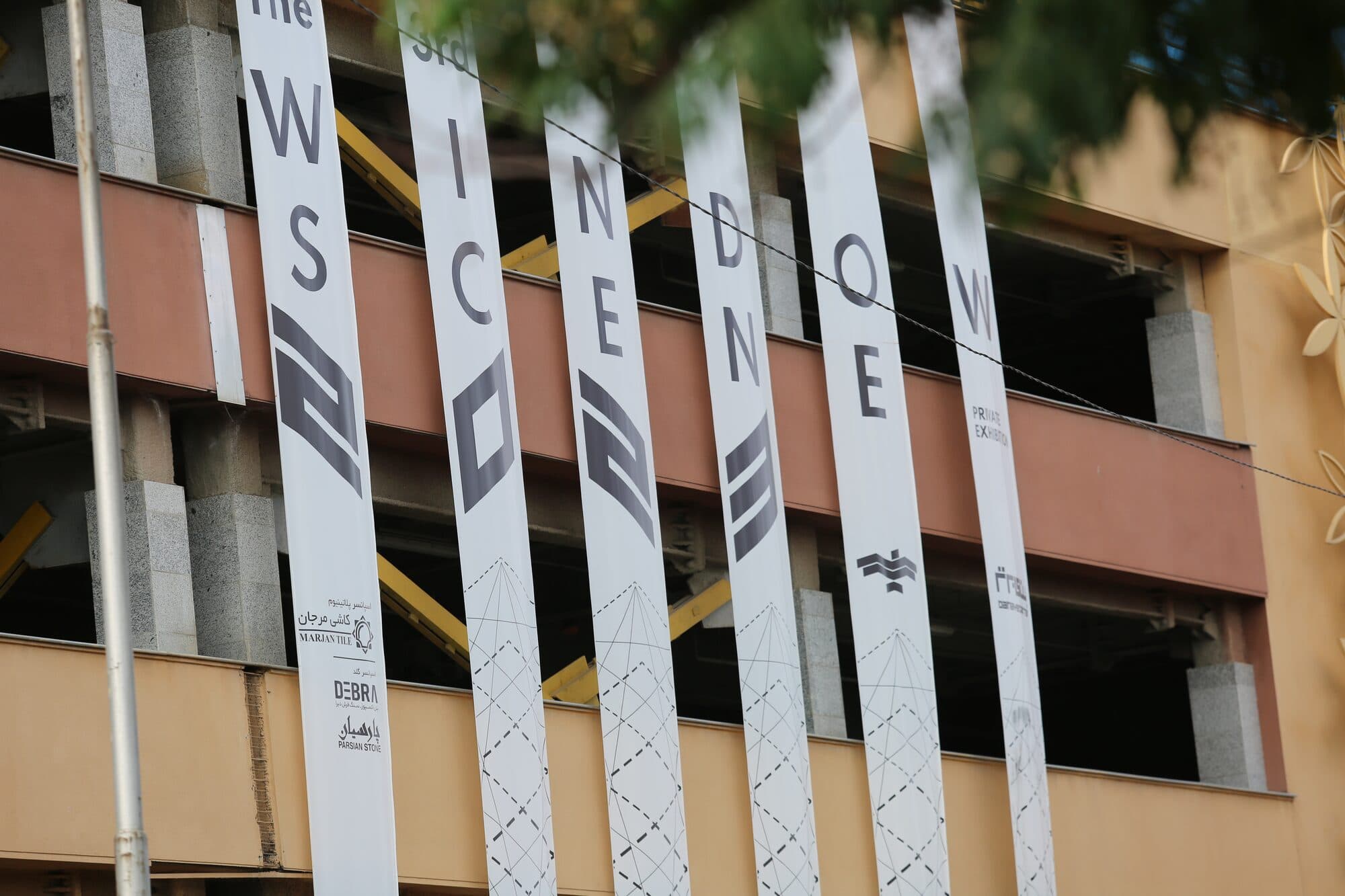
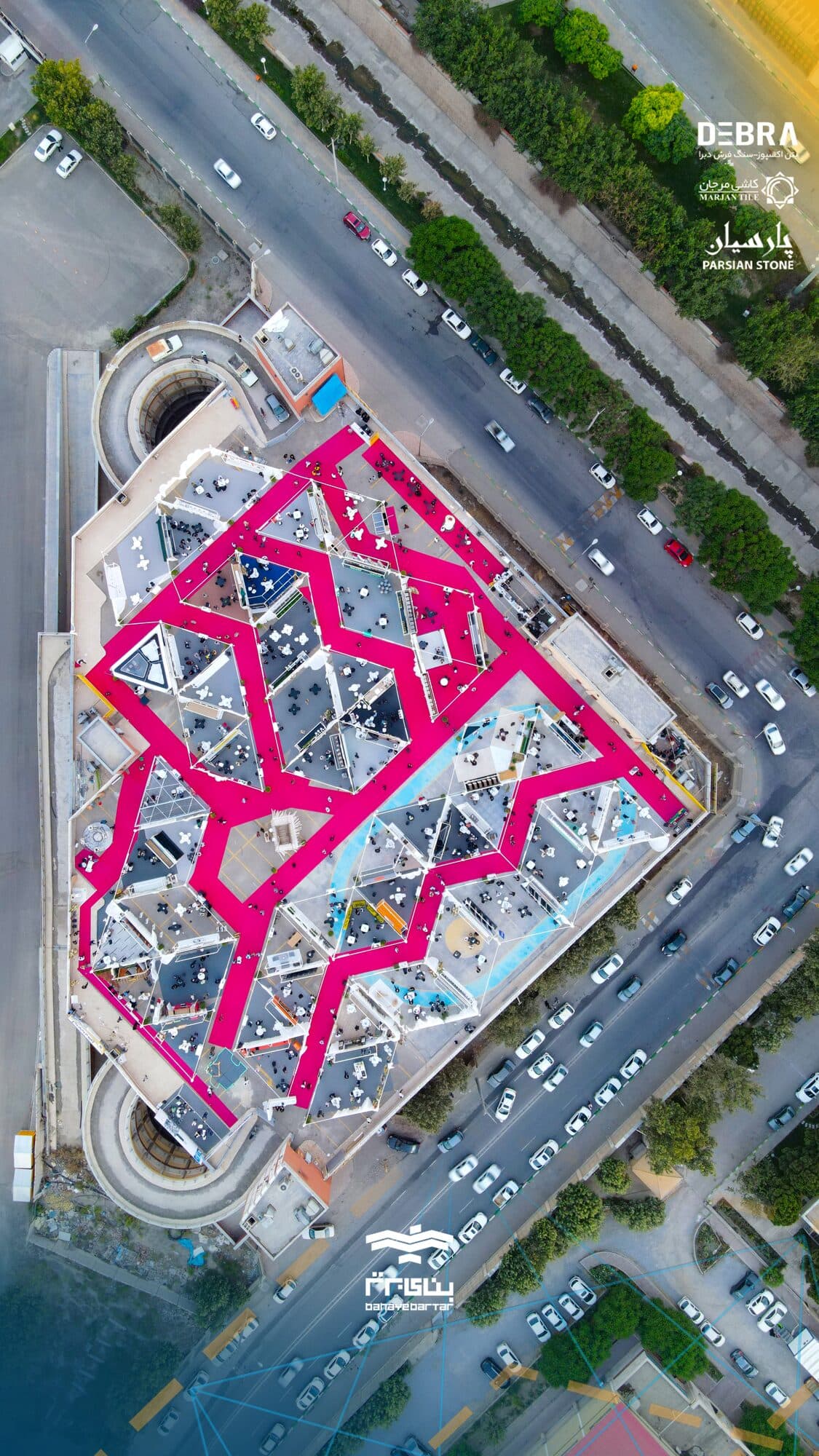
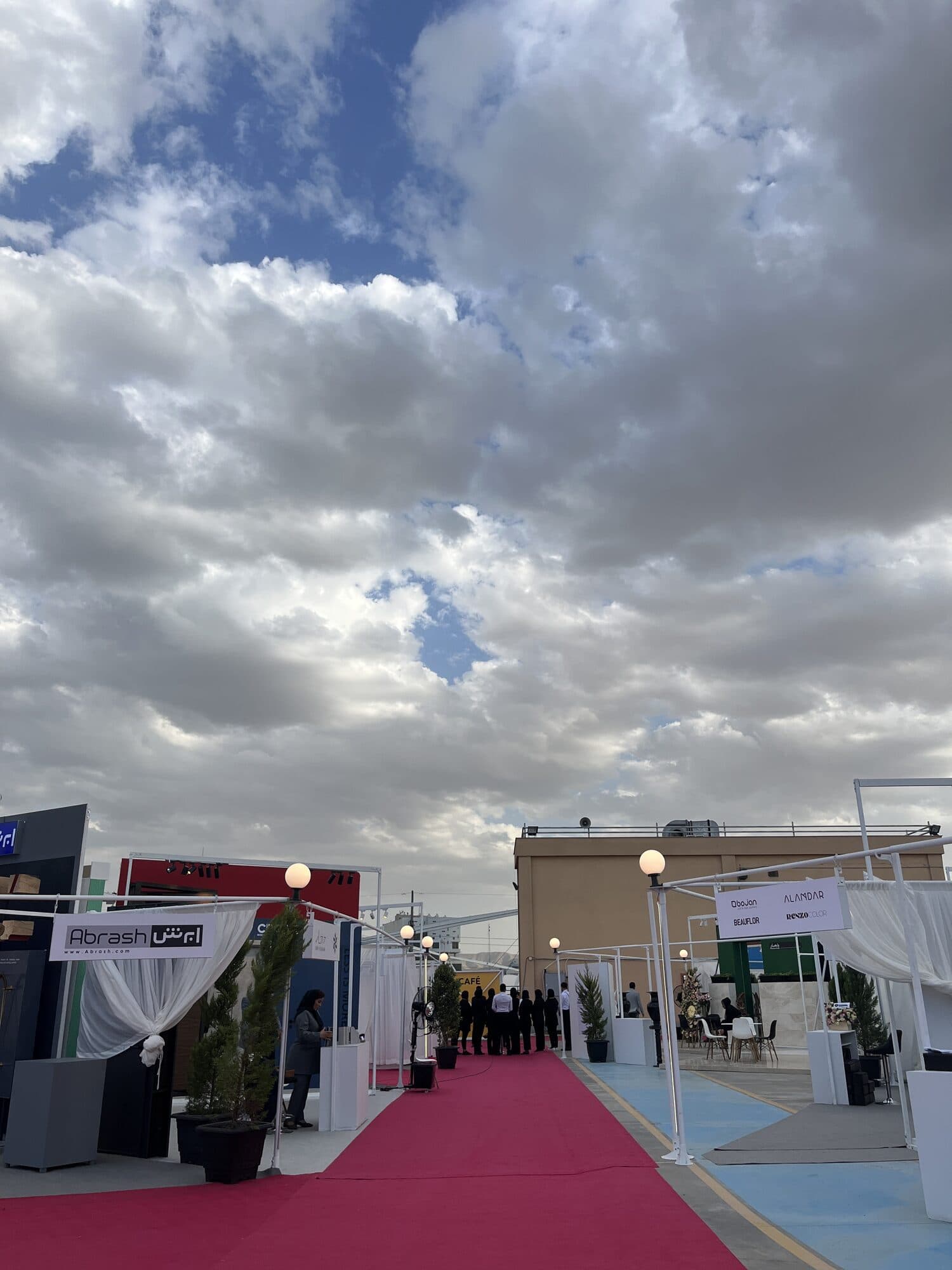
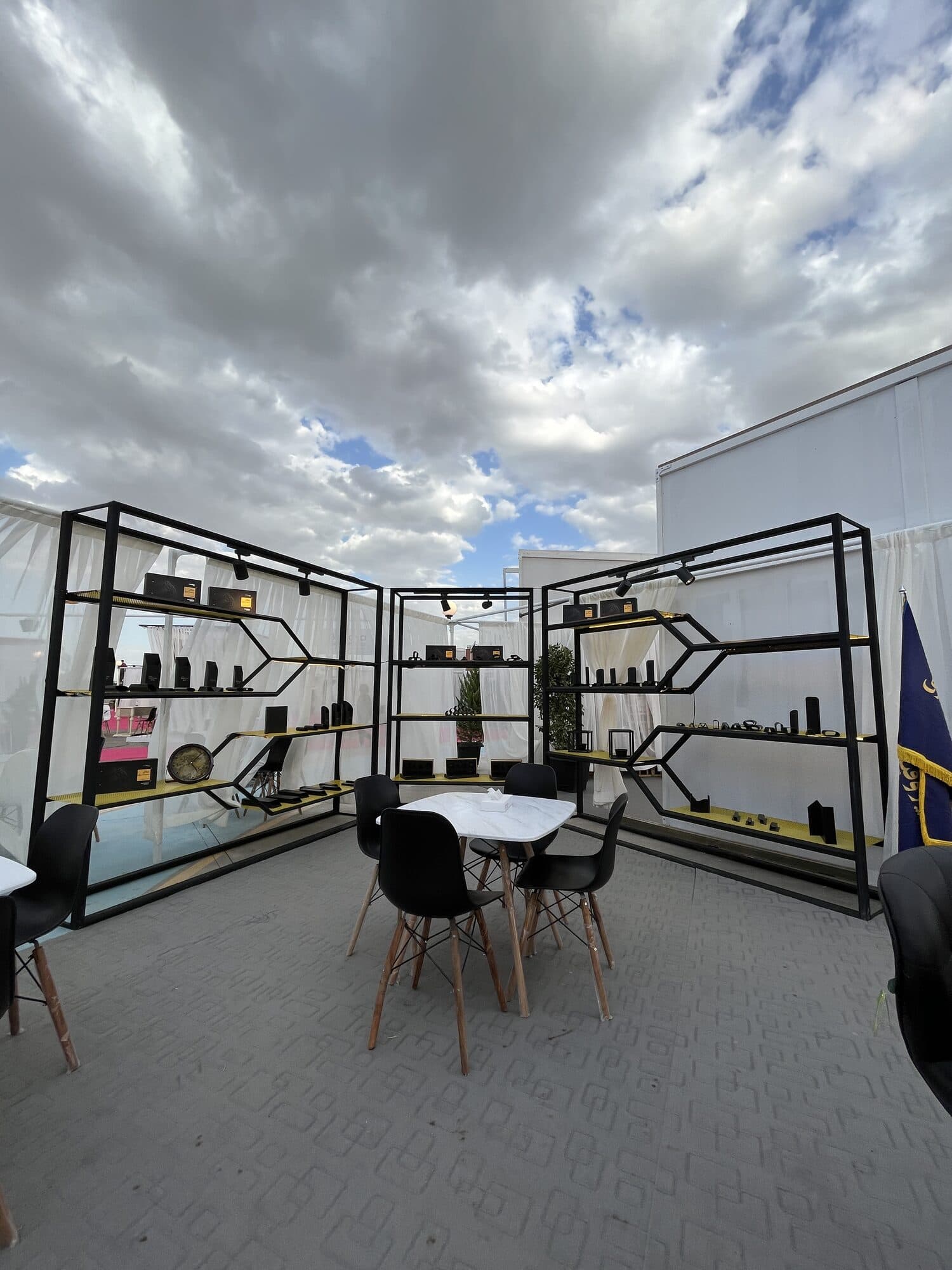
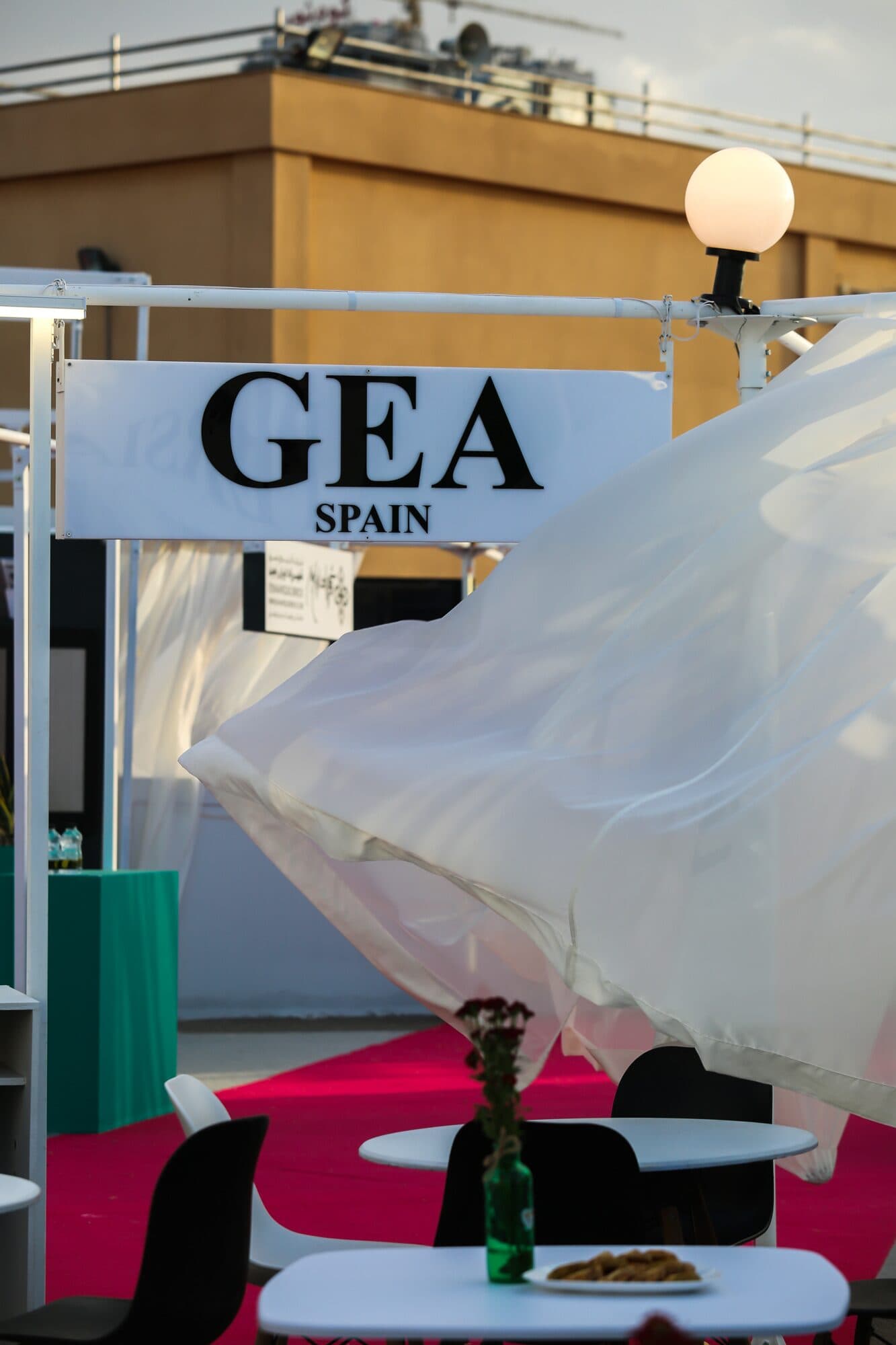
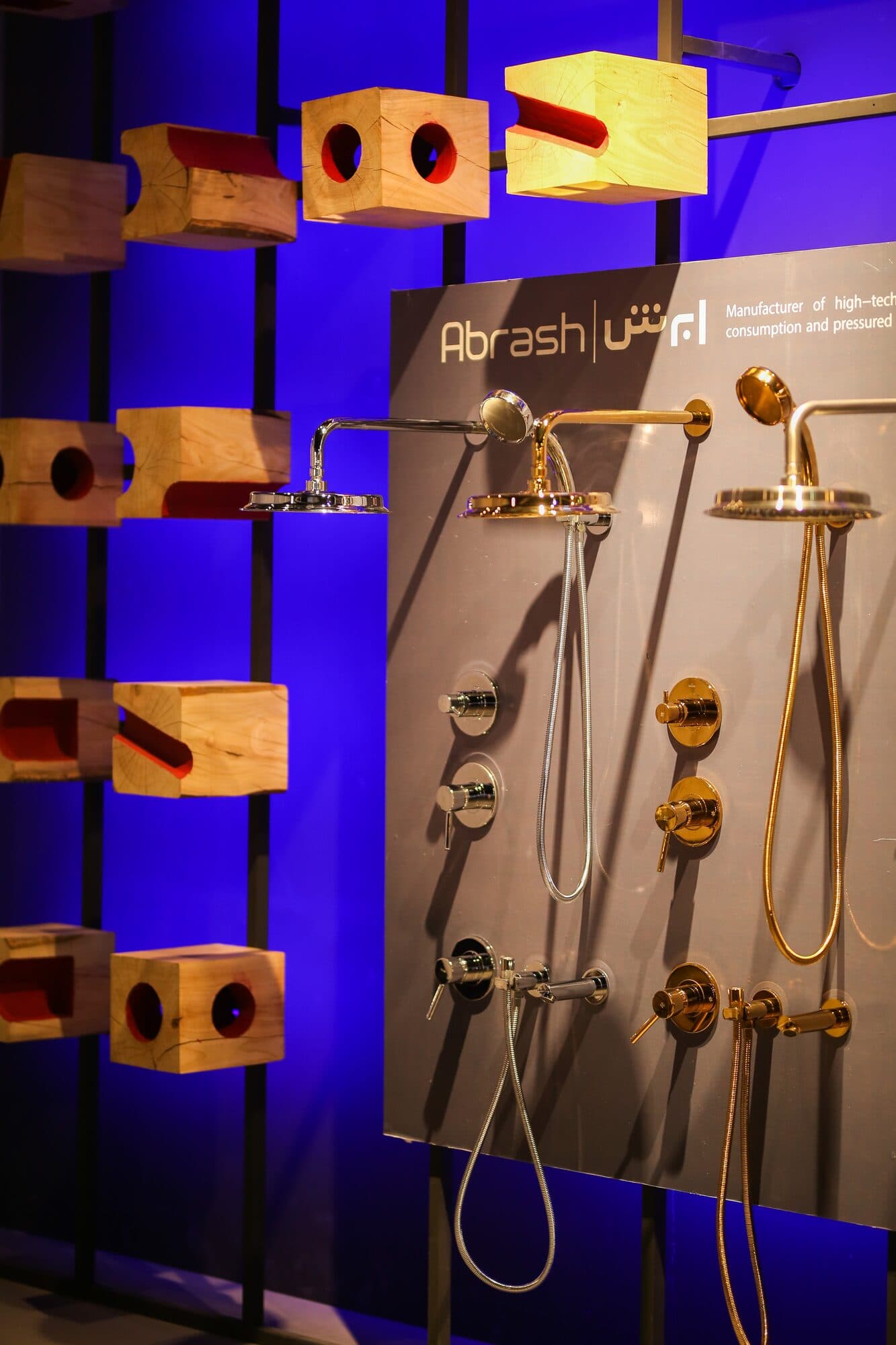
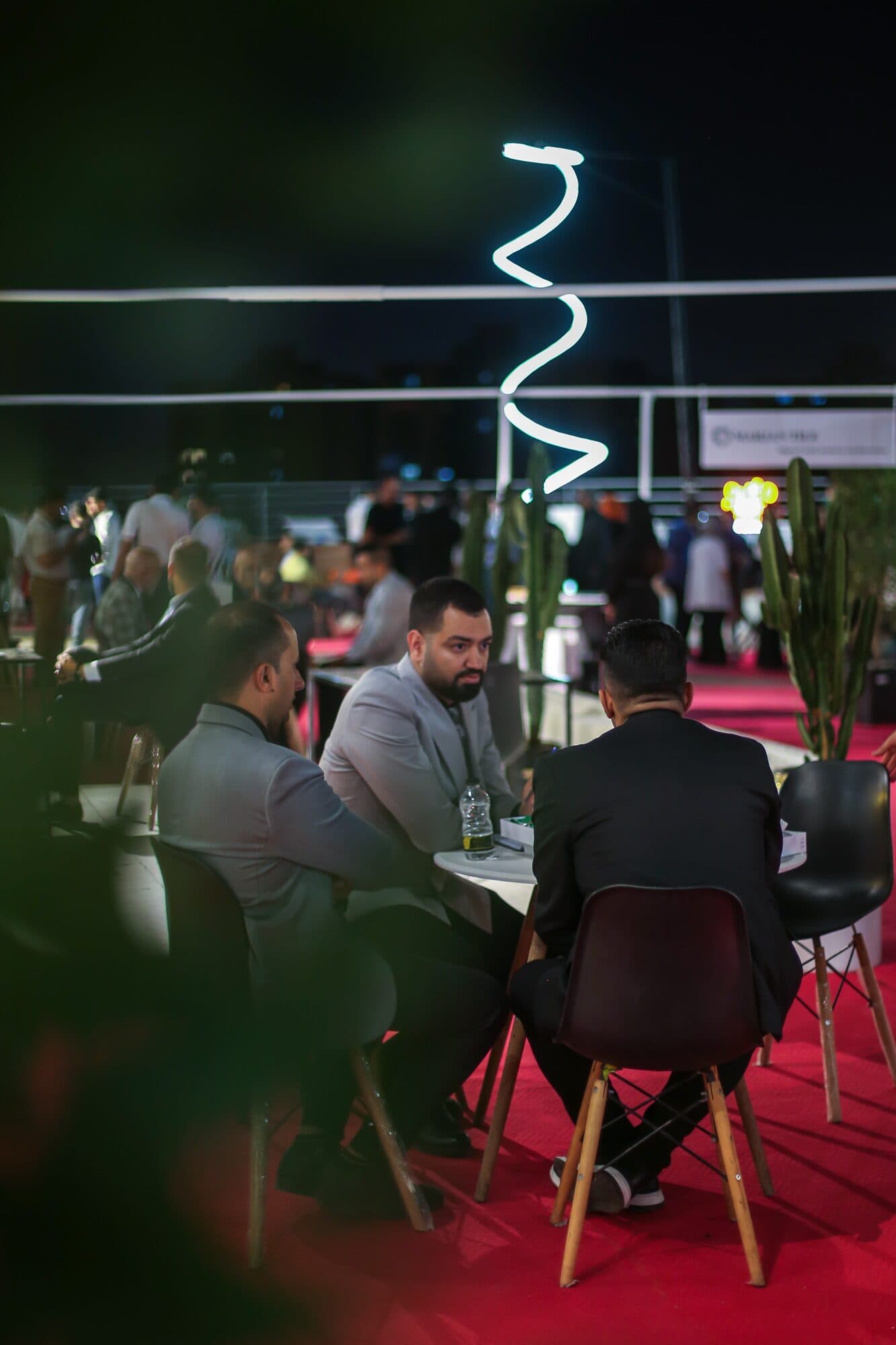
The whole edition moved to the hours between dusk and ten at night. A route was drawn across the deck in red and the brands were set along it as lit objects, so the thing holding the exhibition together after sunset was light rather than architecture. The building's own facade became the signage: one letter to a banner, down the side of the complex.
The outcome
WINDOW ran for the first time with no hall to run in — three evenings, the same invitation-only audience, and a format that turned out to be a set of decisions rather than a kind of room.
- Edition
- 3rdEdition
- Evenings, by invitation
- 3Evenings, by invitation
- Doors, each evening
- 17:30—22:30Doors, each evening
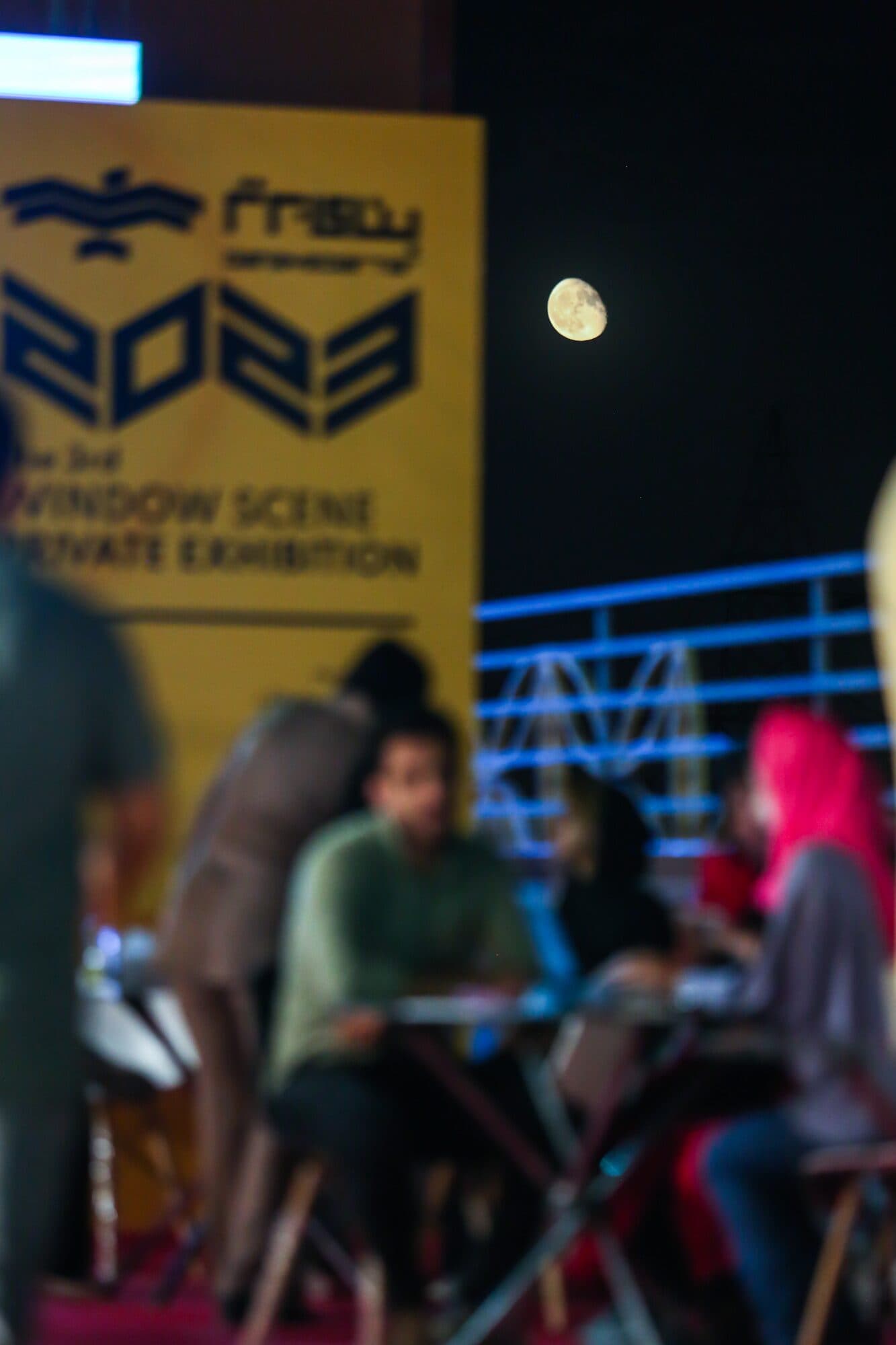
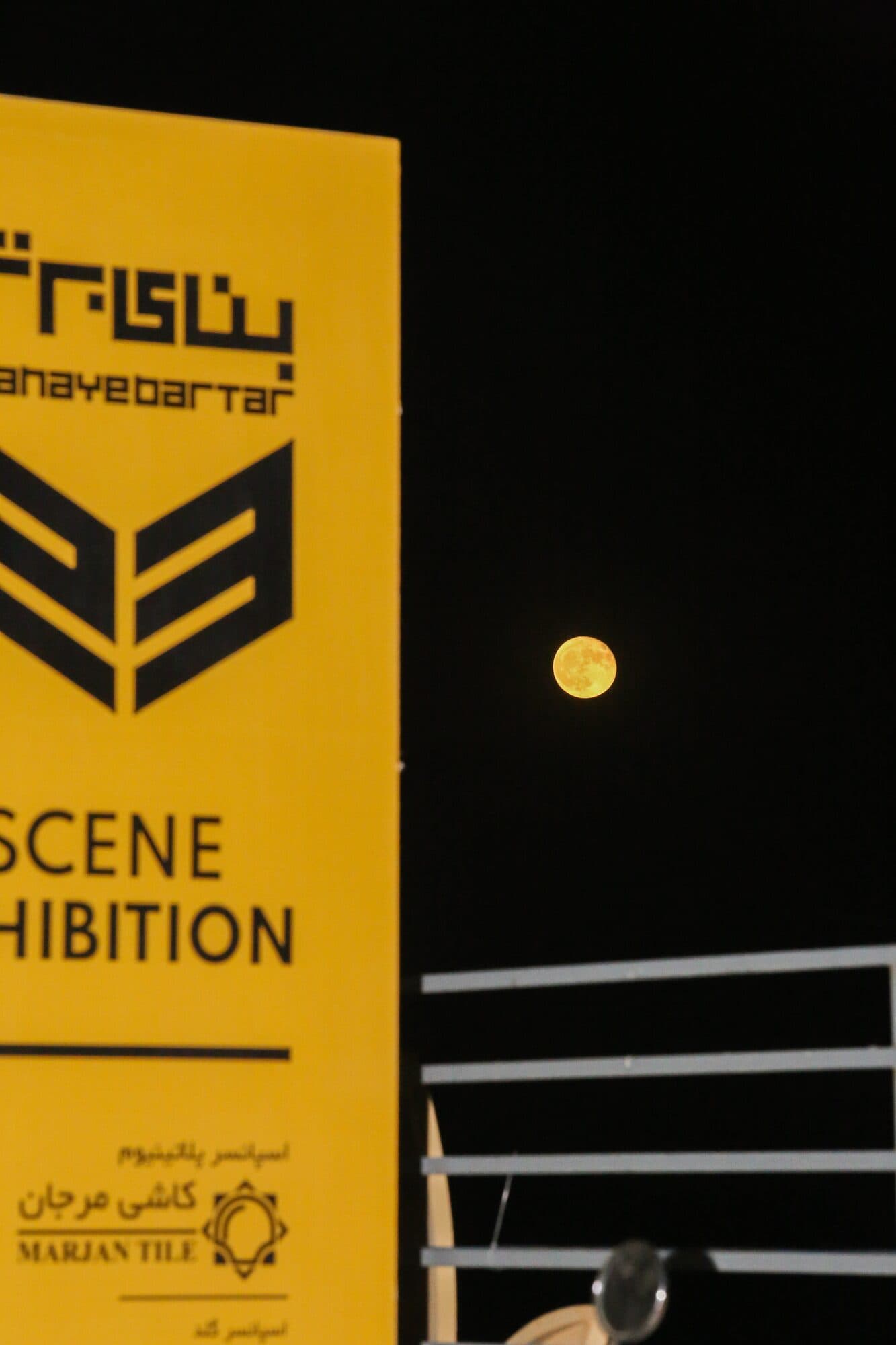
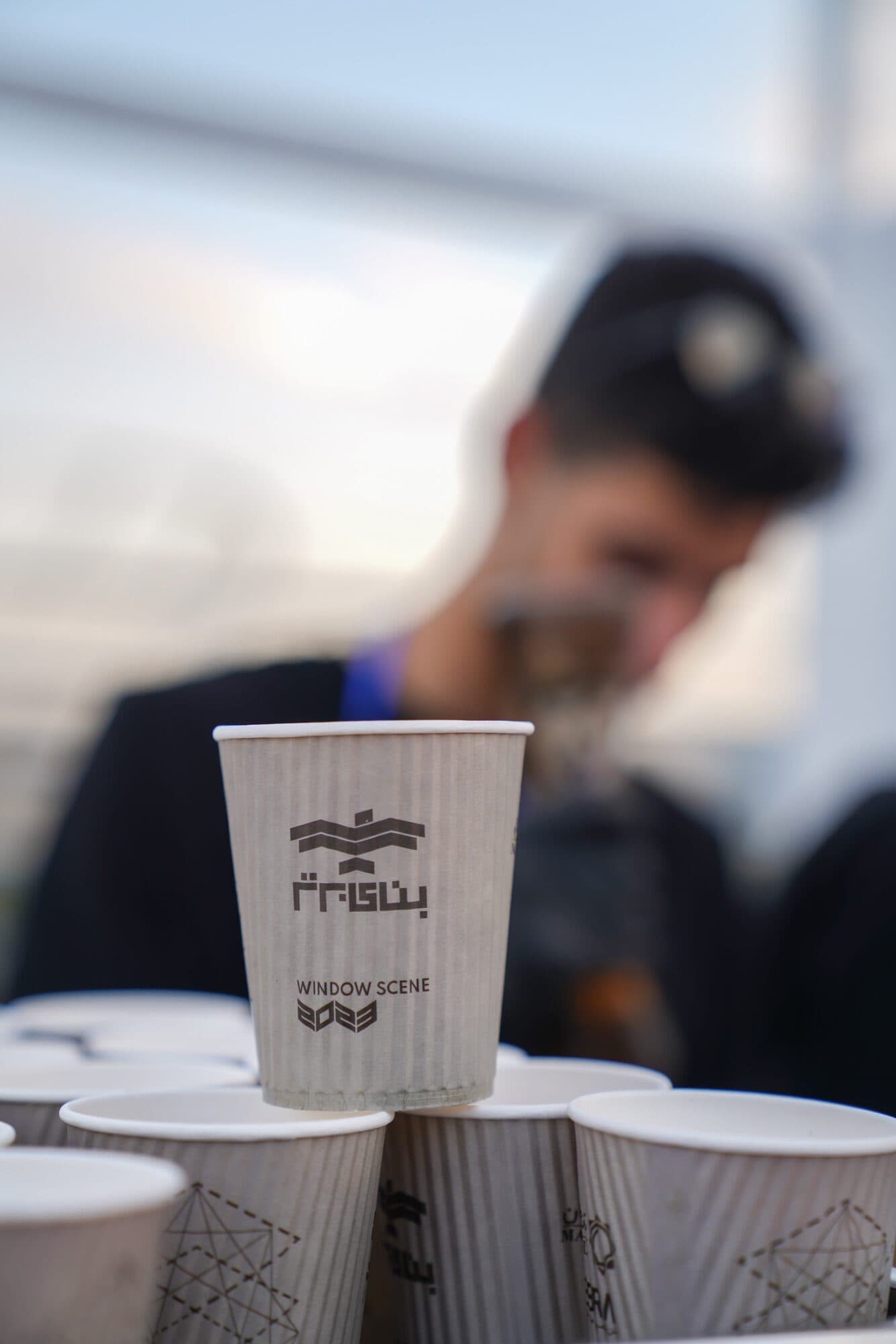
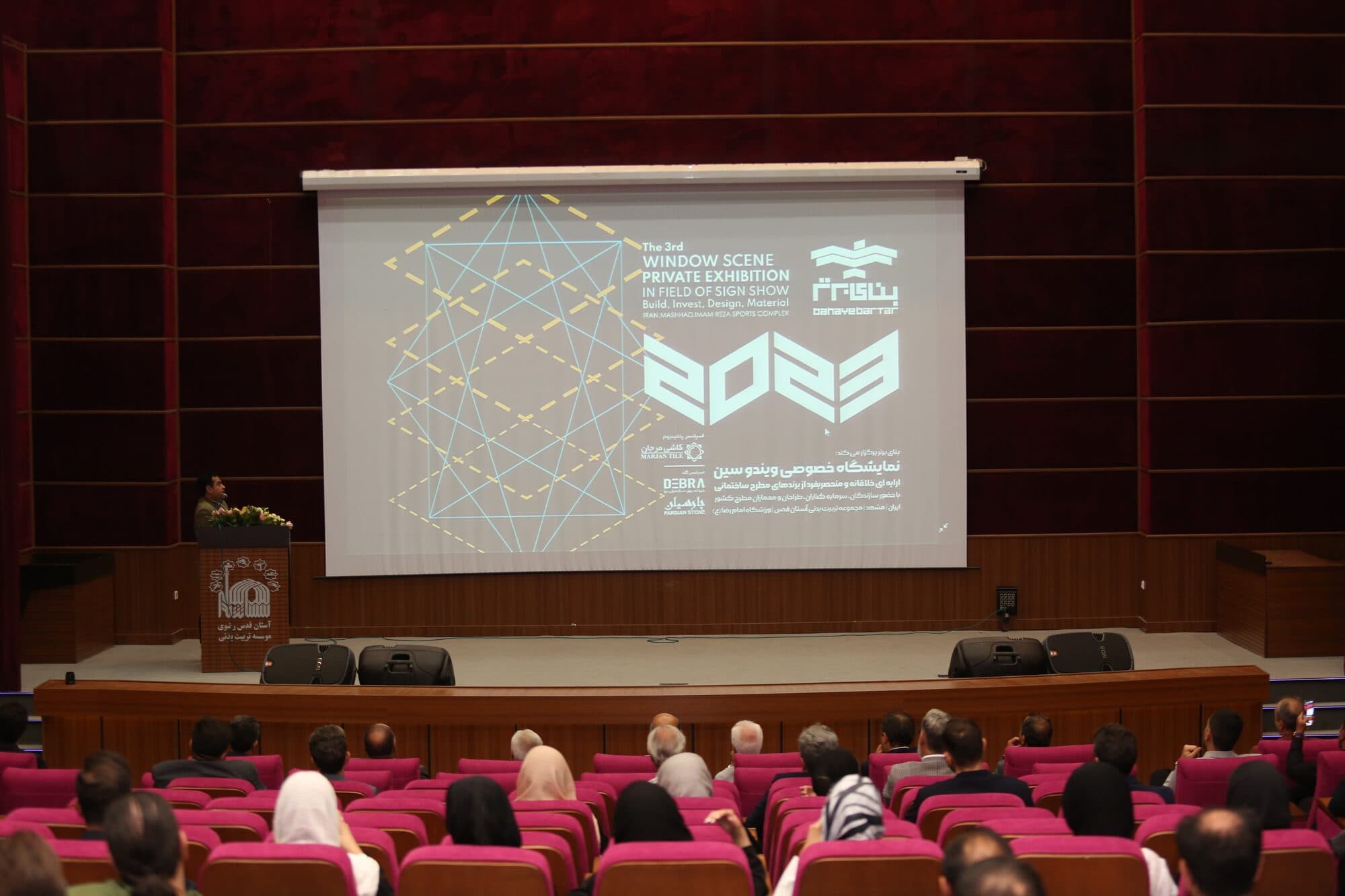
WINDOW SCENE was the platform's third edition and its first without a building. It ran over three evenings in July 2023 on the upper deck of the Imam Reza Sports Complex in Mashhad, from half past five until half past ten each night — the whole edition, deliberately, inside the hours the sky is changing.
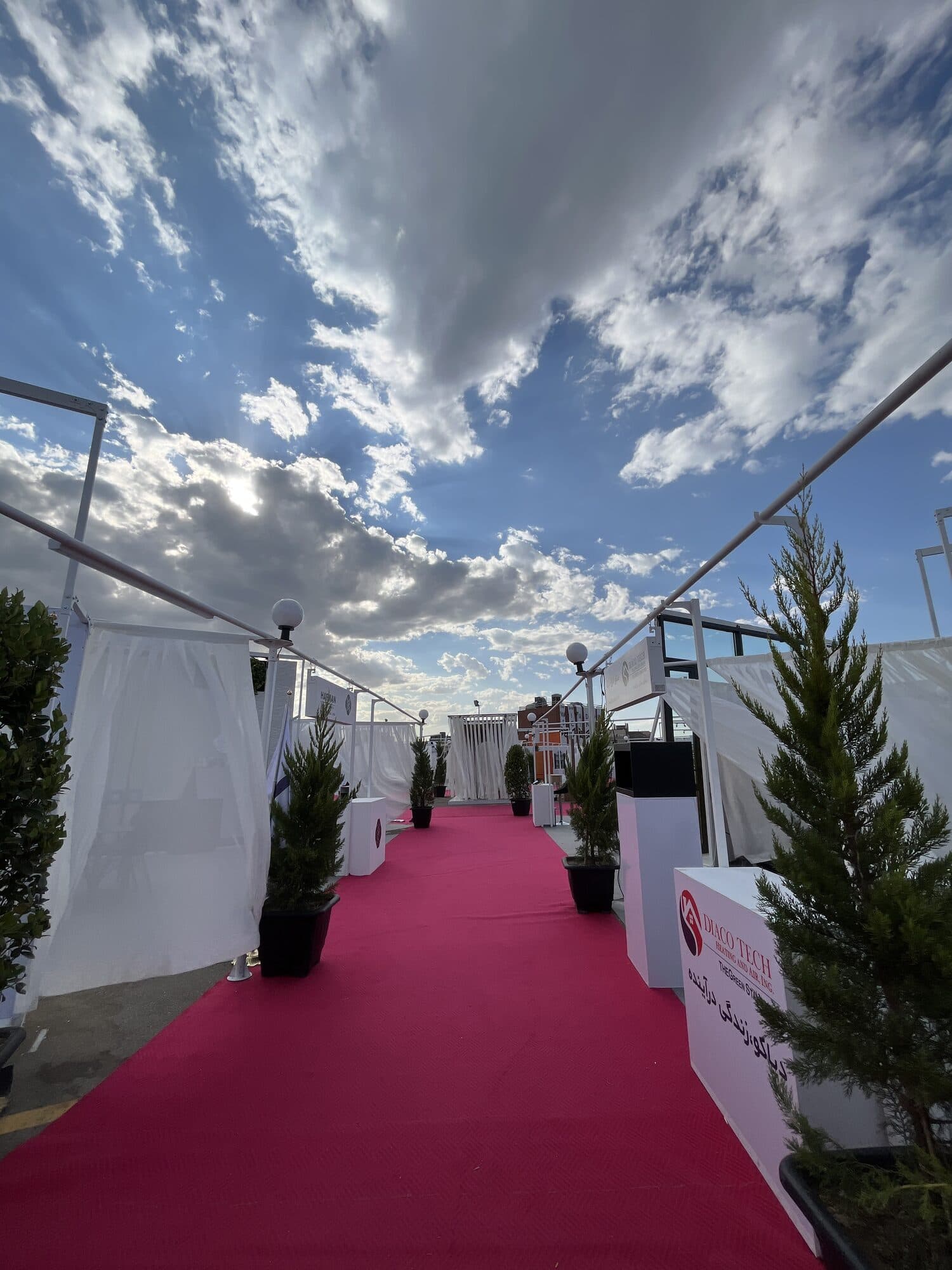
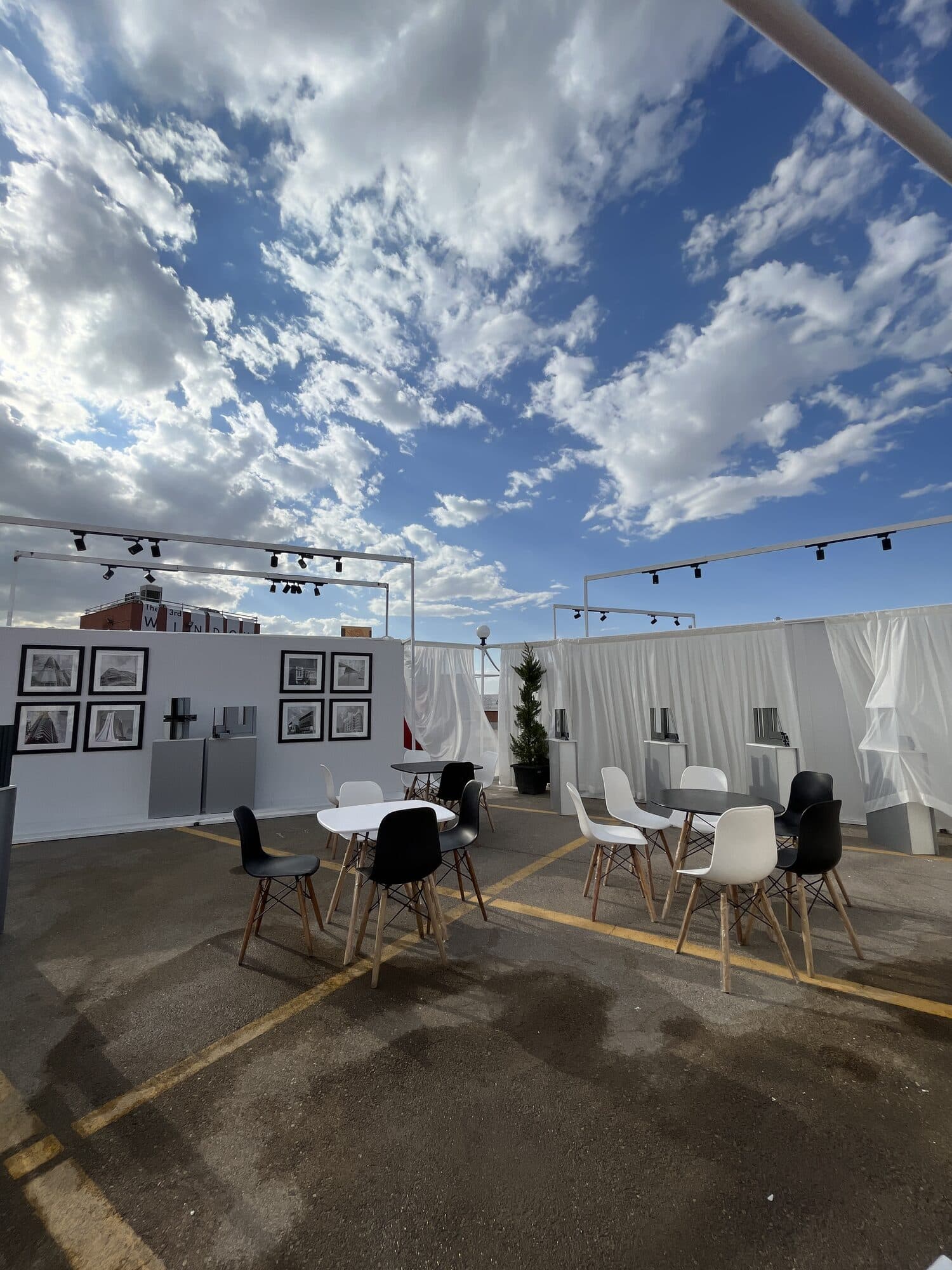
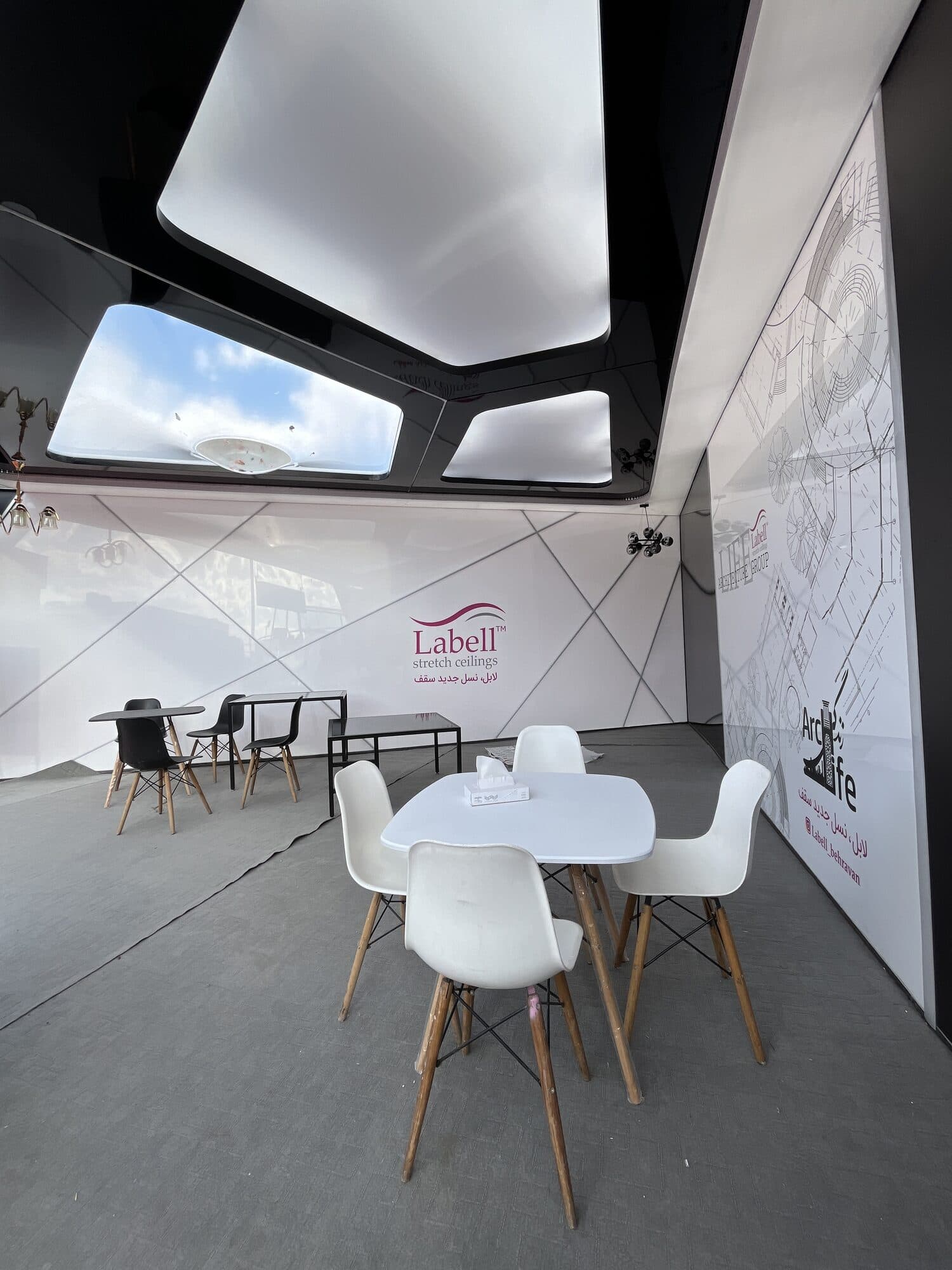
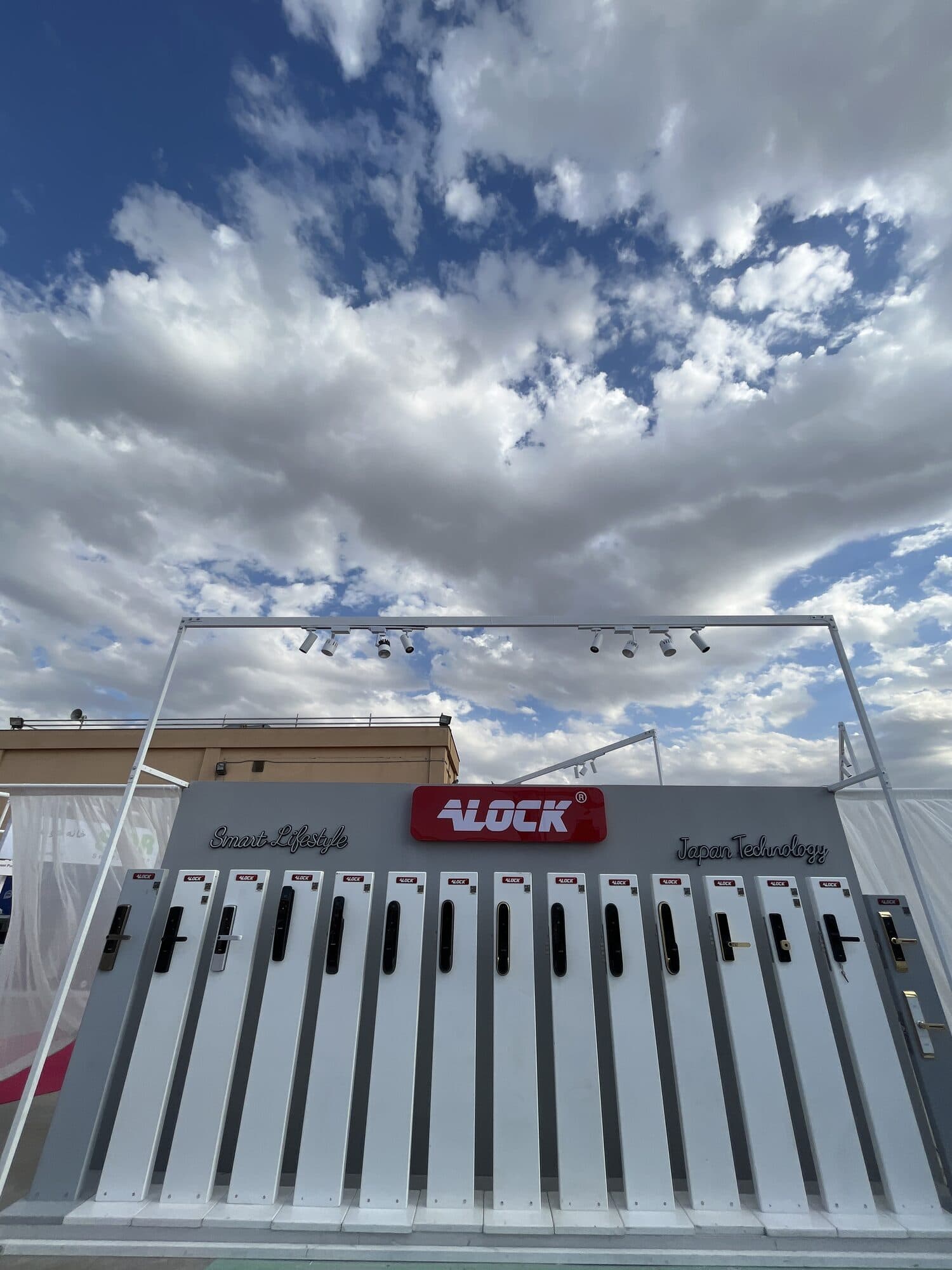
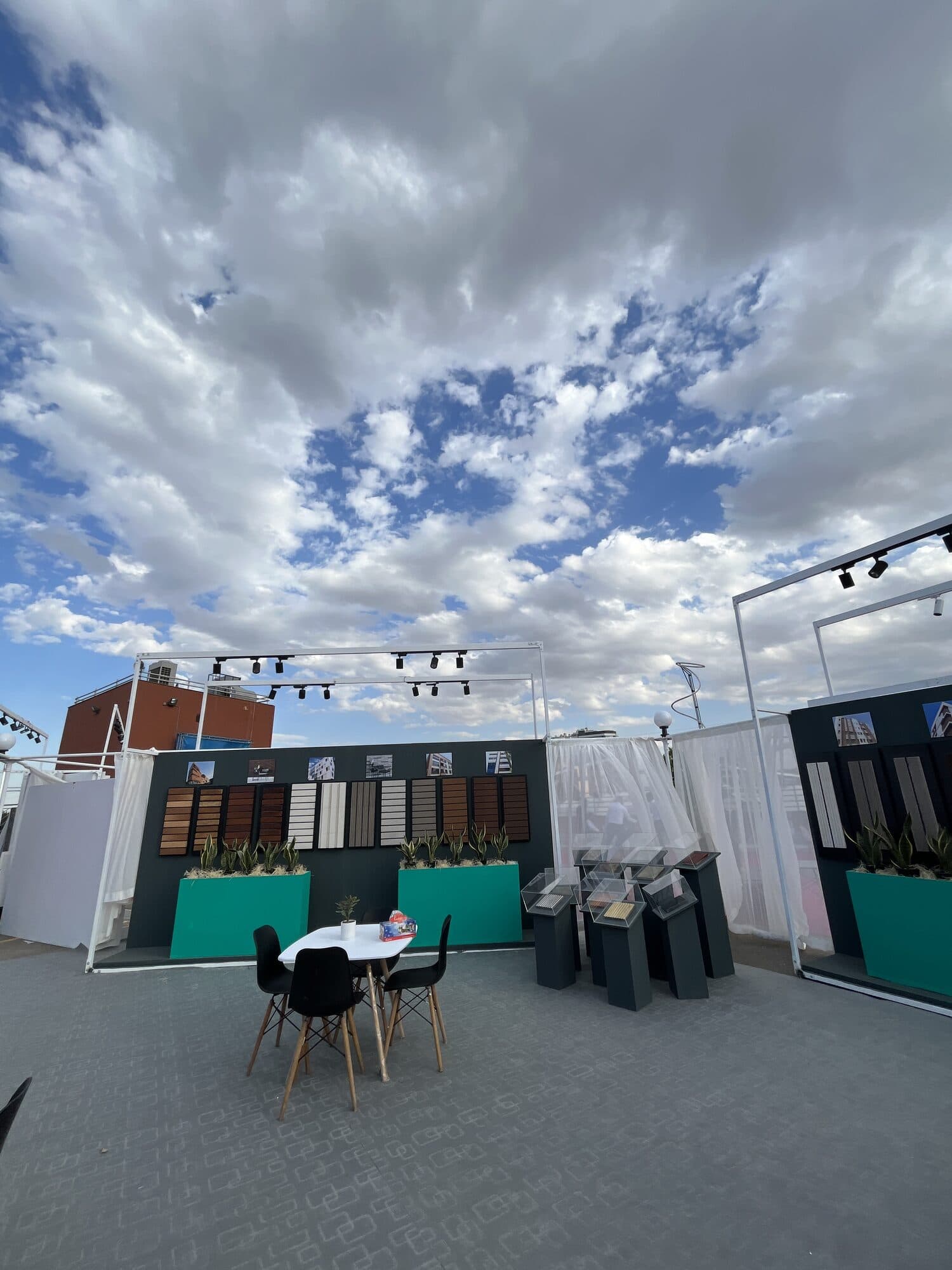
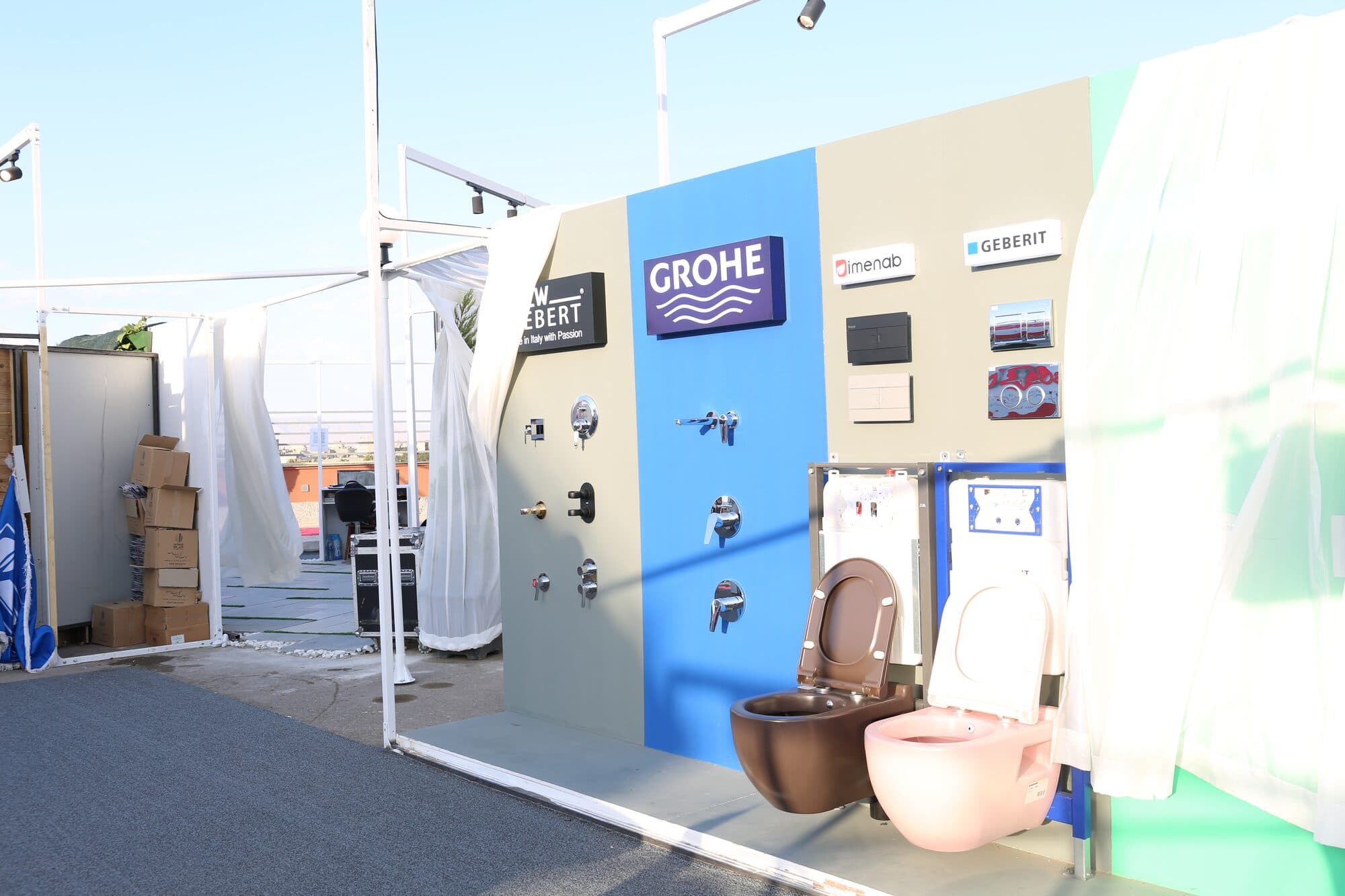
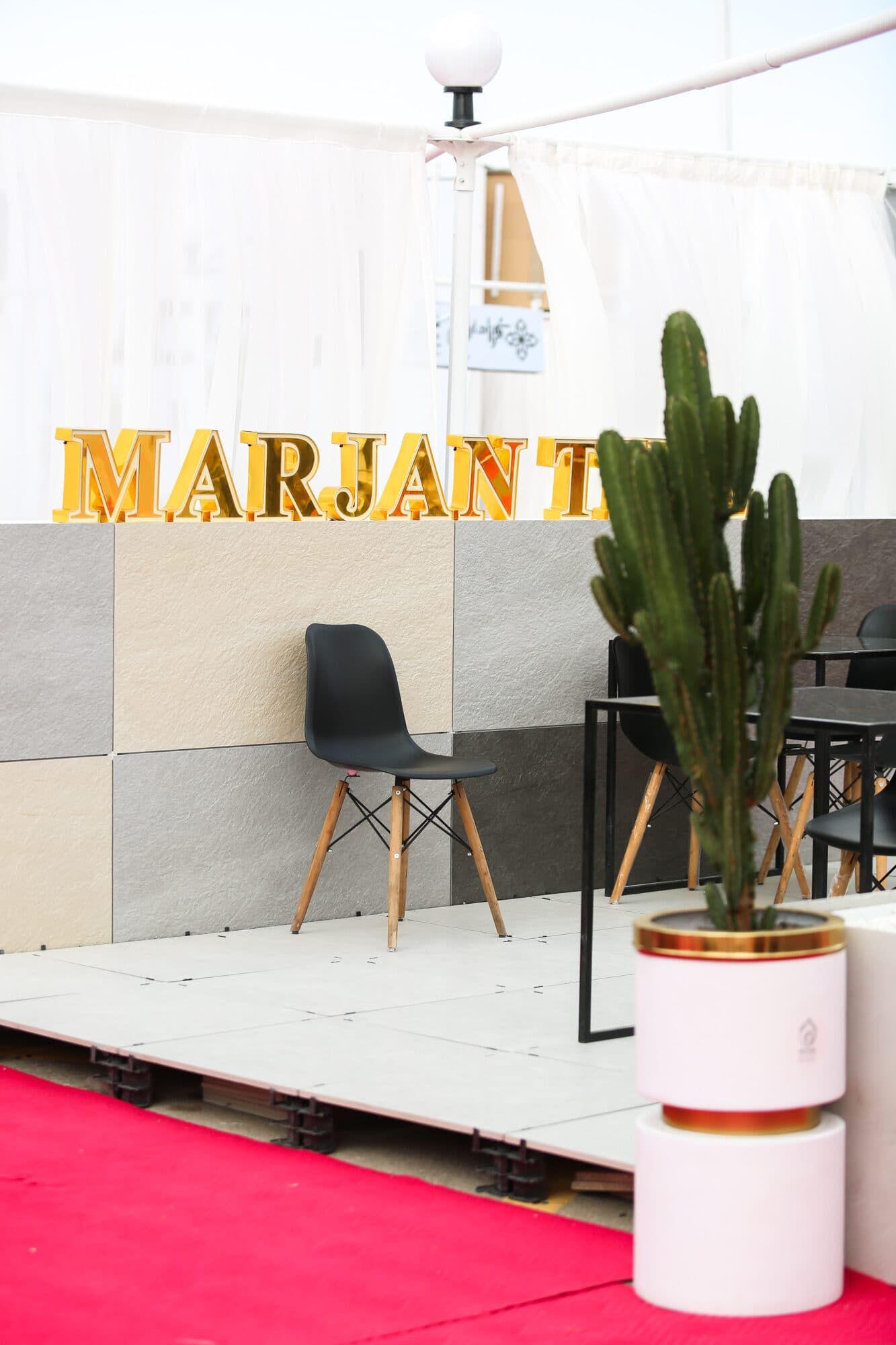
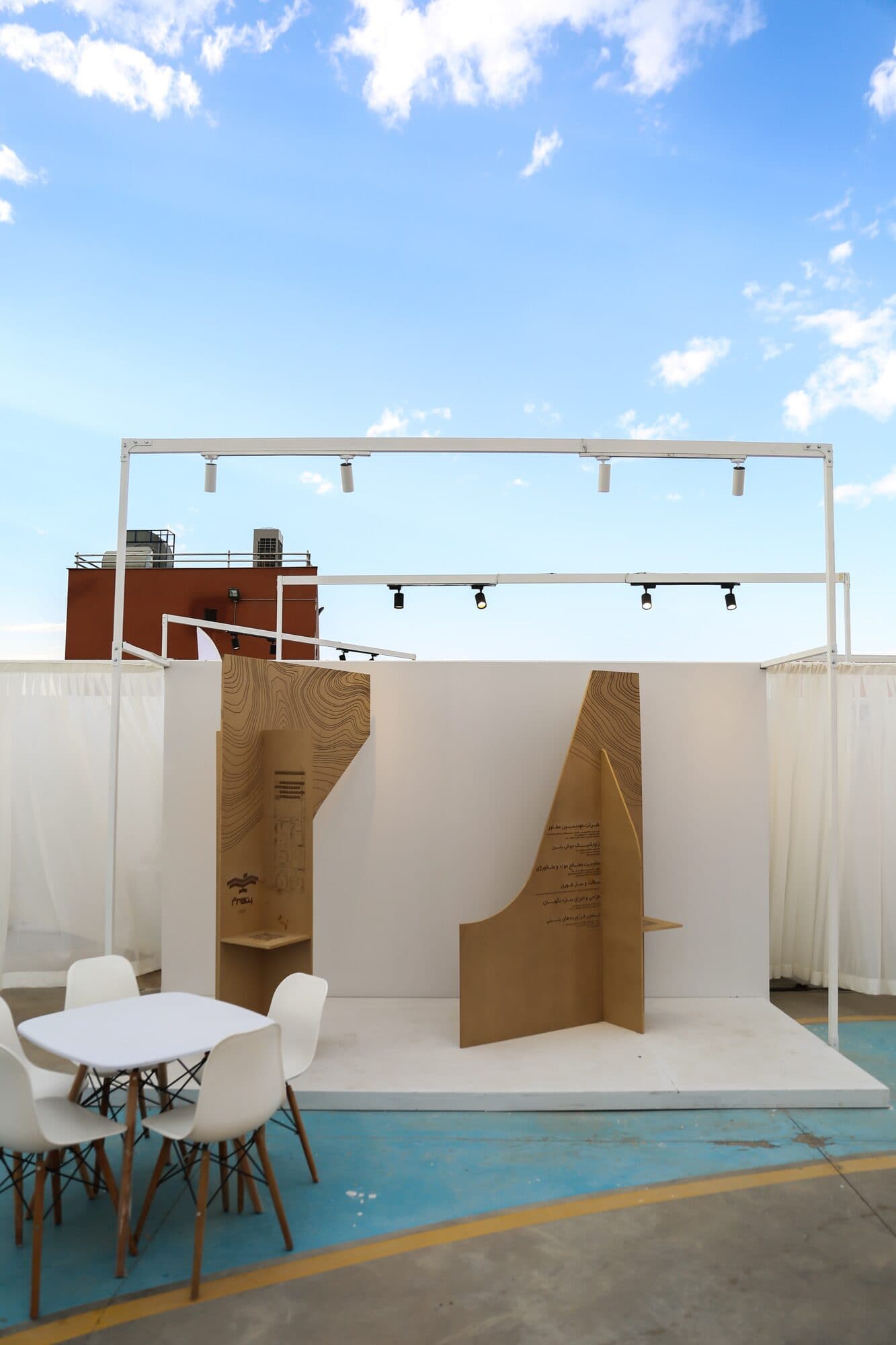
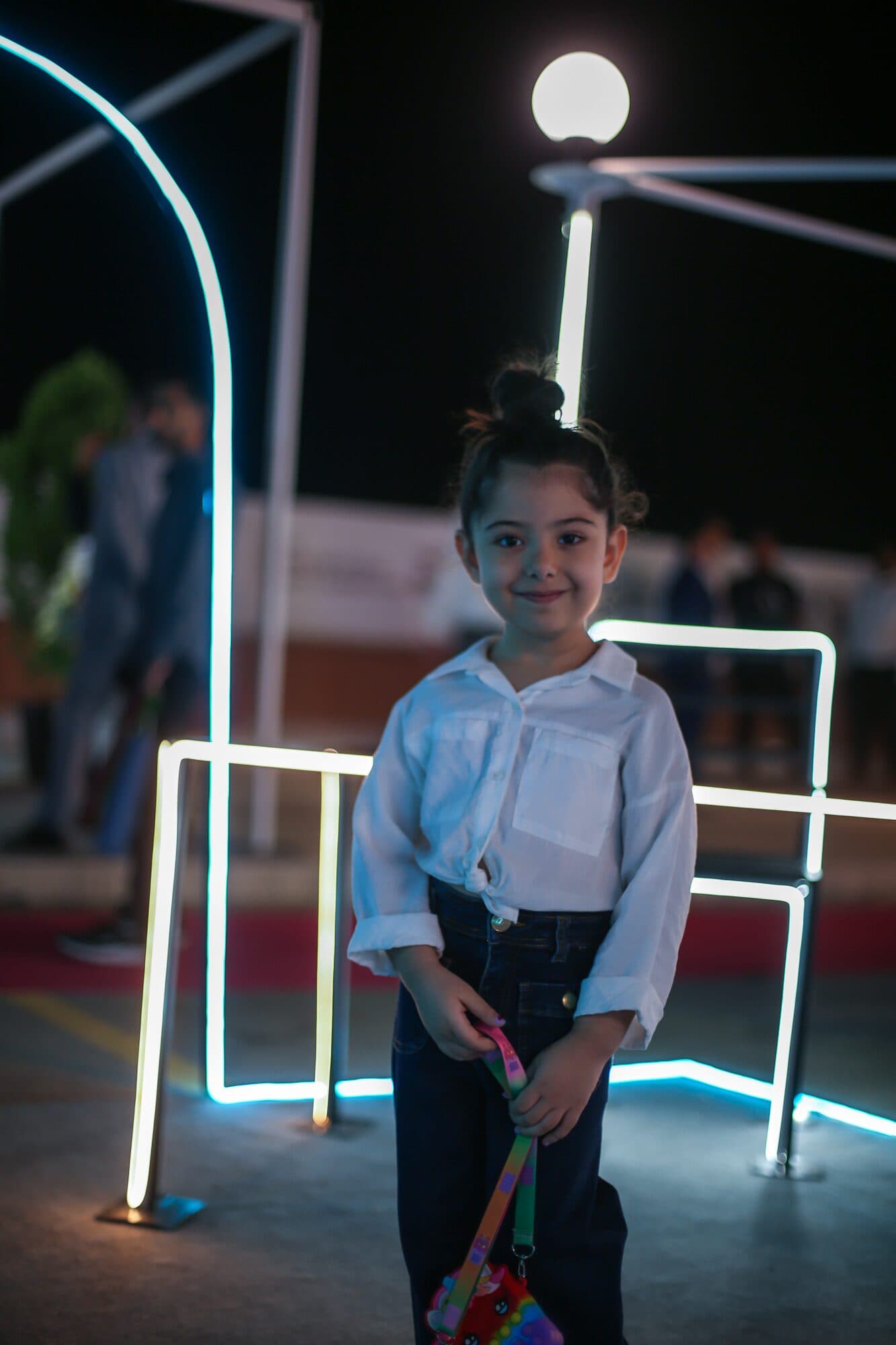
Working outdoors after dark inverts what an exhibition designer usually has. There is no ceiling to hang from, no wall to build against and no way to control the light for the first two hours; what there is instead is a horizon, and a set of objects that stop being furniture the moment they are the only lit things in a very large dark space. The stands were built as free-standing structures on a red route, each one legible from a distance, and the lighting was designed for the transition rather than for either end of it.
The identity did the same job at the scale of the building. The complex's own facade carried the title one letter to a banner, so the edition announced itself to the street it stood on before a visitor reached the gate — which is the closest the series has come to putting the exhibition's name on the city rather than on a wall inside it.
Selected work should show how KAY thinks, builds and delivers.