Case study · Brand & format launch · Tehran, 2022
One Tehran, One Niavaran
There is Tehran, and then there is Niavaran. In October 2022 we brought a new format to the luxury end of Iran's construction industry — and we unveiled it inside a former royal palace, because a proposition about standards cannot be made in a rented ballroom.
The brief
- What
- The opening of the third WINDOW GARDEN private exhibition
- Who ran it
- Banaye Bartar
- Role
- Positioning, experience design and host
- Where
- Niavaran Cultural-Historic Complex, Tehran
- When
- 22 — 24 October 2022
- Guests
- 120 invited · 100 came · by invitation only
- Sold on the night
- Nothing
At a glance
120 invited
100 came
Niavaran Palace
Invitation only
The setting
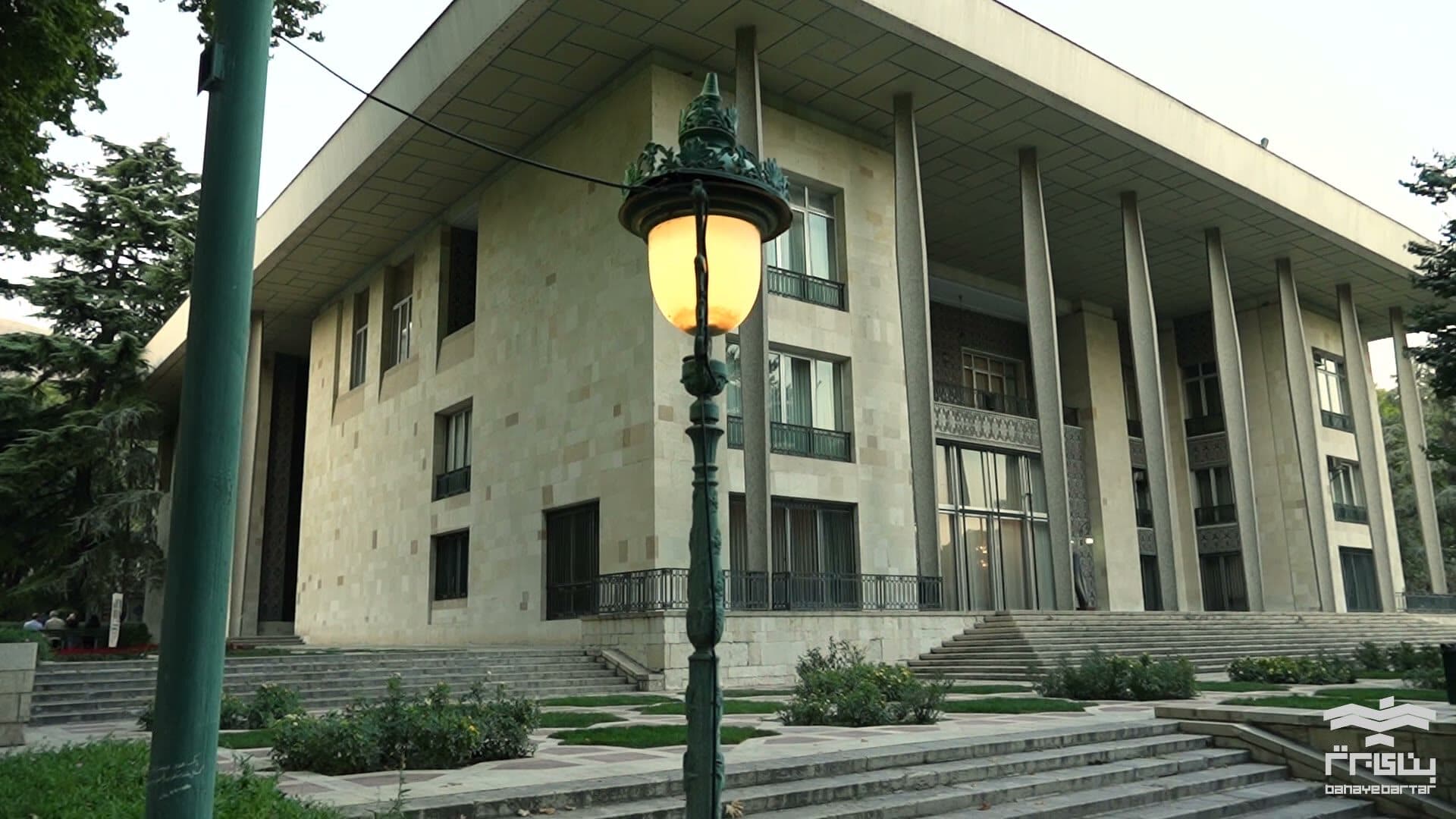
Niavaran is a palace complex in the north of Tehran — the last residence of Iran's royal family, now a public museum. Iranians do not need this explained. For everyone else: it is the address in that city that cannot be bought, only permitted.
The audience that evening was the top of Iran's construction industry — the owners of the brands that supply and build at the luxury end of the market. And what we were bringing them was not a product they could hold. It was a format: WINDOW GARDEN, a private exhibition that had run twice before and never in Tehran, and a way of showing a brand that the people in that room had not seen used on theirs.
What everybody does
A new B2B service is normally introduced by describing it. A deck goes out. A sales team calls. At the ambitious end, there is a launch morning in the conference room of a five-star hotel: a projector, forty slides, and coffee.
That works when the thing being sold is a specification. It fails when the thing being sold is a standard — because a standard is not a claim you can make in words. The moment you ask a room to imagine the quality you are promising, they imagine it using the last event they attended. You have just illustrated your idea with the weakest example in the market, at your own expense.
An experience cannot be presented. It can only be hosted.
If the promise is a higher standard, then the evening where you announce it is the first and only proof anyone has. Every element of it is being read as evidence: the address on the invitation, how the invitation arrived, what is on the plate, who else is in the room.
So we stopped preparing a presentation and started preparing an evening.
The moves
01
Let the address speak first
The default premium venue in Tehran is a hotel ballroom. A ballroom is neutral — anyone can rent one, which is precisely why it says nothing about the brand that did. A palace is not neutral. Its meaning cannot be rented, only carried: permanence, care, ceremony, national history. Before a word was spoken, the guest had already read the class of the thing they were being invited into.
02
Invite; do not register
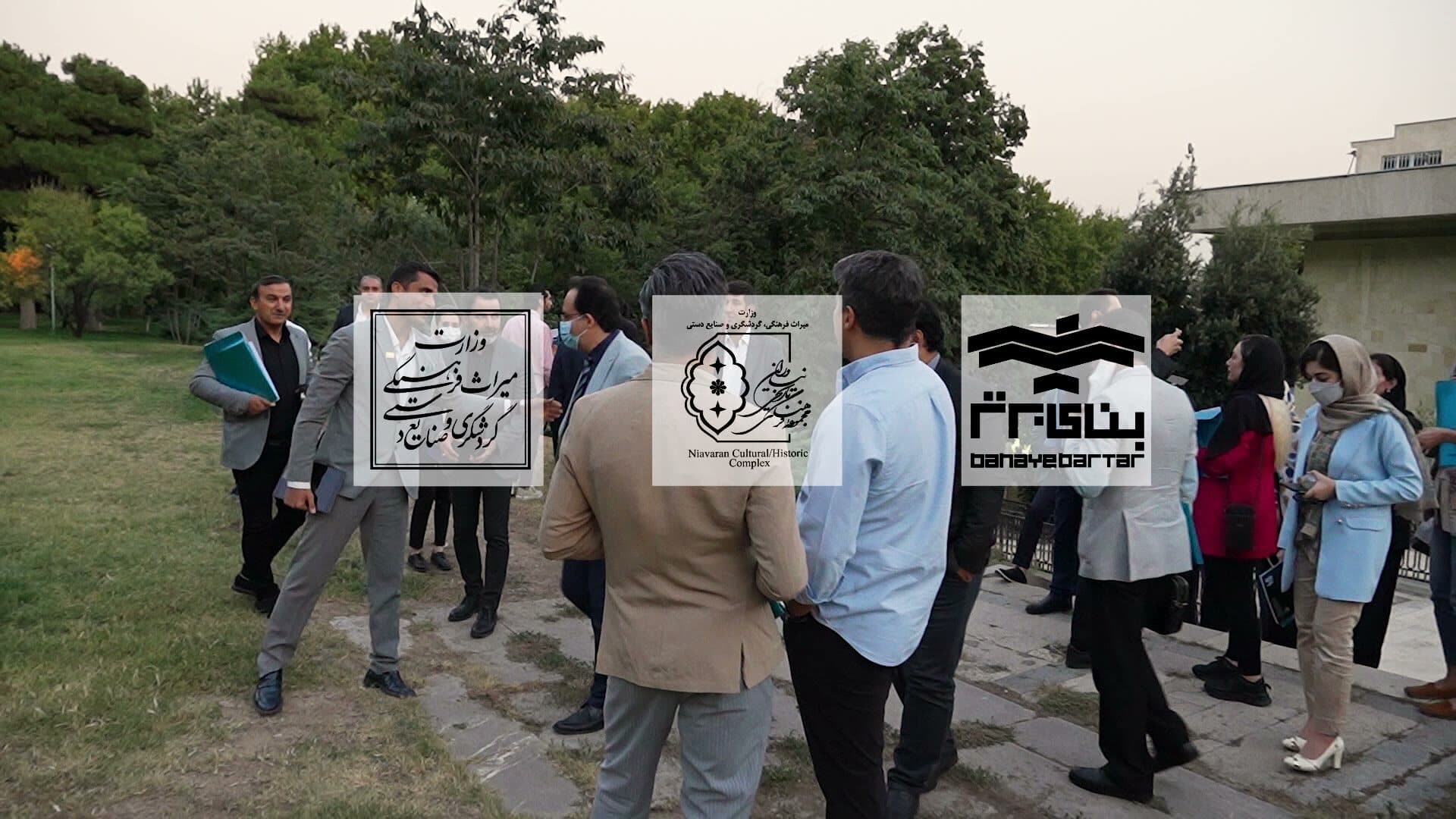
One hundred and twenty invitations, one hundred guests, no public announcement and no sign-up link. At this level, the guest list is not logistics — it is the product. A brand owner walking into that room is not evaluating the room. They are reading who else was chosen, and placing themselves accordingly.
03
Hold the hospitality at the level of the claim
When what you are selling is a standard, catering is not a cost line, it is data. Guests do not audit the argument; they audit the smallest detail in front of them and generalise from it. One weak plate retires forty minutes of positioning. Everything served that night was held at the level of what we were asking the room to believe.
04
Launch the format — and pitch none of it
Two things were being introduced that evening: a name Tehran had not seen on a building-industry invitation before, and the format behind it. Neither was presented in the register a spec sheet uses.
This is a function of who was in the room. A specific audience — the owners of the luxury end of one industry — does not need to be taught what a service does. They need to see the level it is delivered at, and then decide whether it belongs next to their own brand. Explaining it would have answered a question they were not asking, in a language one class below the one they buy in.
So the evening carried the positioning, and the room carried the proof.

The invitation sheet. Three days, four in the afternoon until nine at night, at the Niavaran Cultural-Historic Complex.
A luxury proposition is not argued. It is set — the room, the table, the invitation — and then the guest arrives and reaches the conclusion on their own.
The evening itself
The evening is the record. The film below is what the room looked like: the drive up to the complex, the light going off the stone, a hundred people walking into a palace they had all heard of and most had never been inside after dark.
There is no voice-over and nothing is explained in it, which is the same decision the evening was built on.
What happened
- Invitations sent
- 120
- Guests
- 100
- Registration
- None — invitation only
- Sold on the night
- Nothing
- Venue
- Niavaran Cultural-Historic Complex, Tehran
What this means if you are not launching in a palace
The palace is the version of this that is hard to copy. The decision underneath it is not.
01
Context is content
The place you appear in has already announced your class before you open your mouth. It is the one channel you pay for whether or not you use it.
02
Do not describe a standard. Stage it once.
A single real evening outperforms any fifty-slide deck, because it replaces imagination with memory.
03
A small room makes a large claim
One hundred chosen guests send a signal that five hundred registered ones never will.
04
For a premium audience, execution is the argument
They are not weighing your promise. They are weighing the smallest detail in front of them, and generalising.
We did not tell a hundred business owners what we were building. We invited them into it for one evening, in a house that had been setting the standard in that city long before we arrived.
You already know what you need.
Forty-five minutes, the real problem, a point of view and a first move.