Case study 01 · Experience design
Thirty Nights of Nowruz
We replaced one large year-end party with thirty small ones — and stopped shipping gifts entirely.
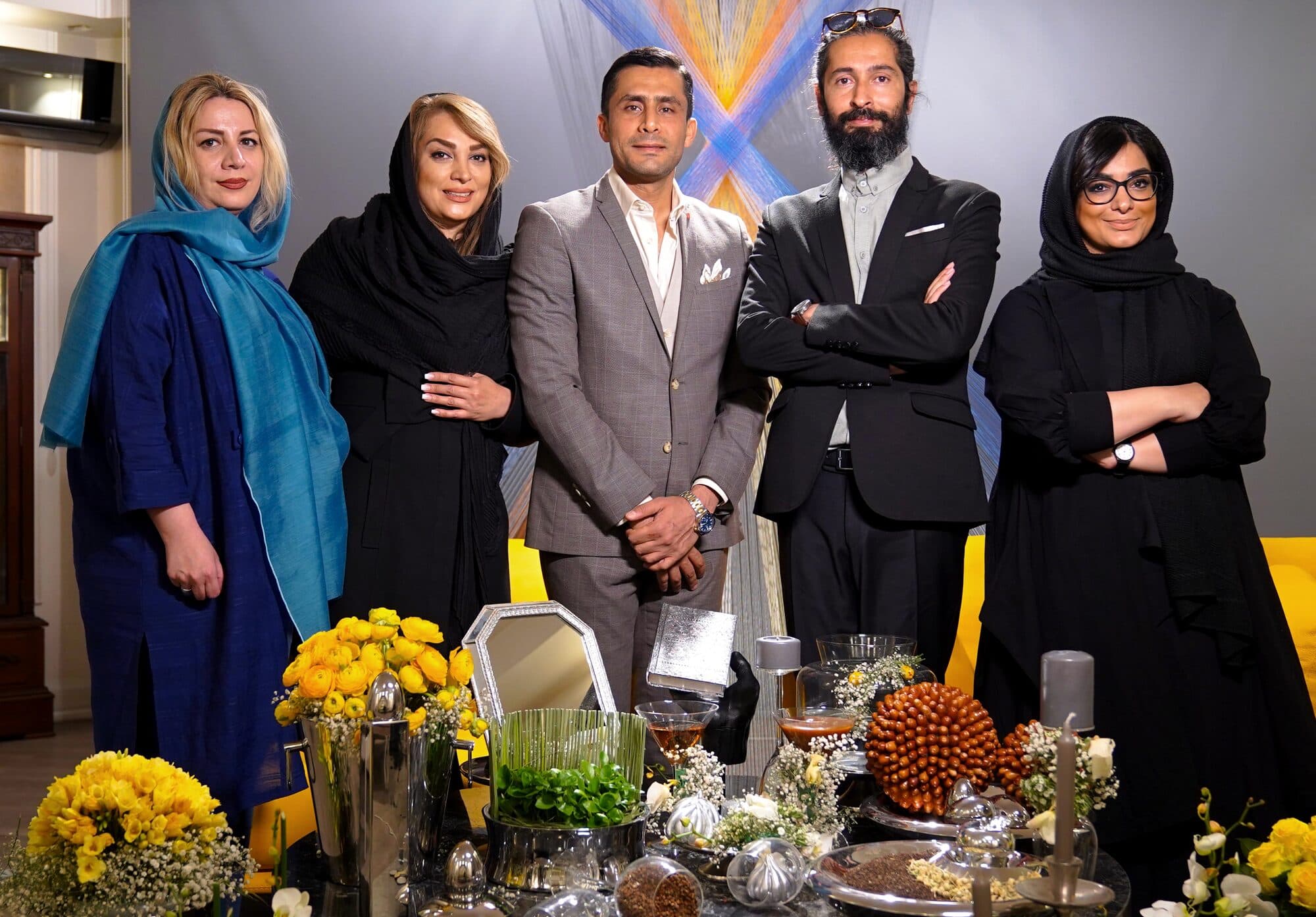
The brief
- Event brand
- NOWRUZ GALA — original Persian name Si Rooz ta Nowruz, "Thirty Days to Nowruz"
- Format created by
- Banaye Bartar Group
- Concept, experience design & host
- Ehsan Kaykhah
- Client
- Banaye Bartar — an in-house format, built for our own brand
- Where
- Our own offices, Iran
- When
- Esfand — the final thirty days of the Persian year. Three consecutive editions; the edition documented here is the turn from 1399 into 1400 (March 2021).
- Guests
- Invited architects, engineers, developers, manufacturers and long-term partners
At a glance
30 consecutive nights
15–20 guests a night
≈400 guests per edition
0 gifts shipped
The setting
Nowruz is the Persian New Year — the exact moment of the spring equinox, marked for more than three thousand years and still celebrated today by well over three hundred million people, from Los Angeles to Tajikistan.
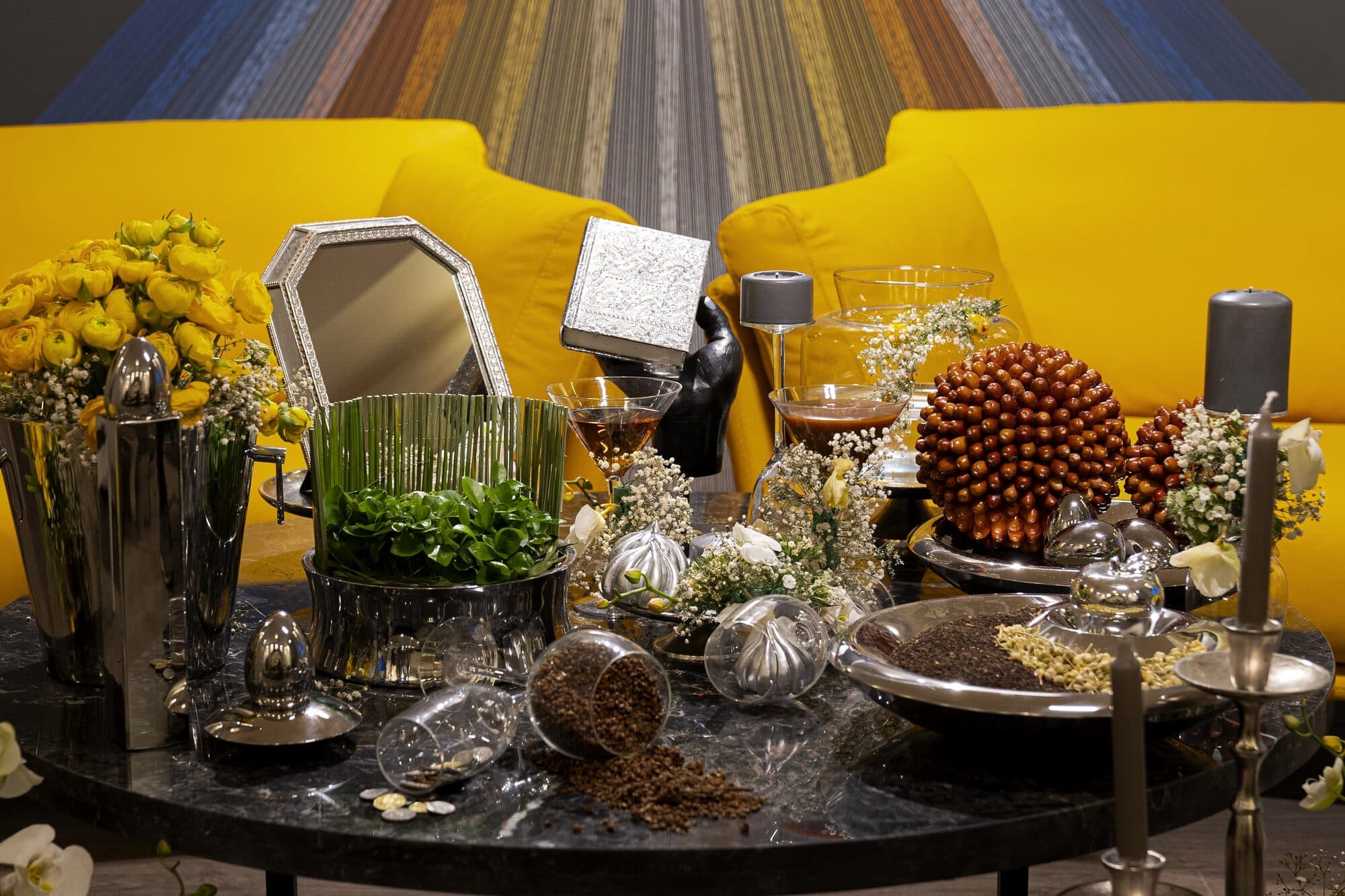
For an American reader, the closest thing is Thanksgiving and New Year's Eve arriving in the same instant. The family gathers, the books of the year are closed, the house is cleaned from top to bottom, and everything arranges itself around a table called the Haft-Seen — seven symbolic objects, one of which is sabzeh, a dish of green wheat sprouted by hand in the weeks beforehand. It is the most emotionally loaded table of the year, and it stands in the middle of the house for two full weeks.
The month before it — Esfand — is when every business in the country does exactly the same thing: closes its accounts and sends its clients a gift.
The default
There are only two ways the industry marks the end of the year, and I had spent a decade doing both.
Option one is the courier. A branded box goes out to four hundred addresses. A receptionist signs for it. Somewhere between the lobby and the desk, the entire relationship the gift was meant to carry quietly evaporates — because a gift that arrives without a person attached to it is a delivery, not a gesture.
Option two is the annual gala. One hall, one night, four hundred guests, a stage, a buffet, three hours. It photographs beautifully and the invoice is enormous. But the arithmetic ruins it. As the host, I can hold maybe twenty real conversations in an evening. The other three hundred and eighty people were catered to. They were not met.
Both options optimise the same wrong variable. They optimise coverage — how many people were reached. Neither of them optimises contact — how many people were actually spoken to.
We had been buying reach in a business that runs entirely on relationships.
The scarce resource in a relationship business is never the guest list. It is the host's attention. So we stopped designing around the guests and started designing around the scarcity.
The moves
01
Invert the ratio.
One night for four hundred people became thirty nights for fifteen to twenty. The same audience, the same month, the same order of budget — redistributed. Every guest now walked into a room where they were one of very few, and where I was present, unhurried, and not working a crowd. There was no stage. With that many people in a room, a stage is an insult.
The budget question arrives next, so here is the answer. The total came out comparable to the single gala it replaced. We were no longer catering a banquet for four hundred people in one night, and that saving went straight into a keepsake gift for every company that came. Sponsors we brought into the format covered part of the rest — which is the part most people miss: fifteen decision-makers in a room, thirty nights running, is far easier to sponsor than a crowd.
02
Host at home.
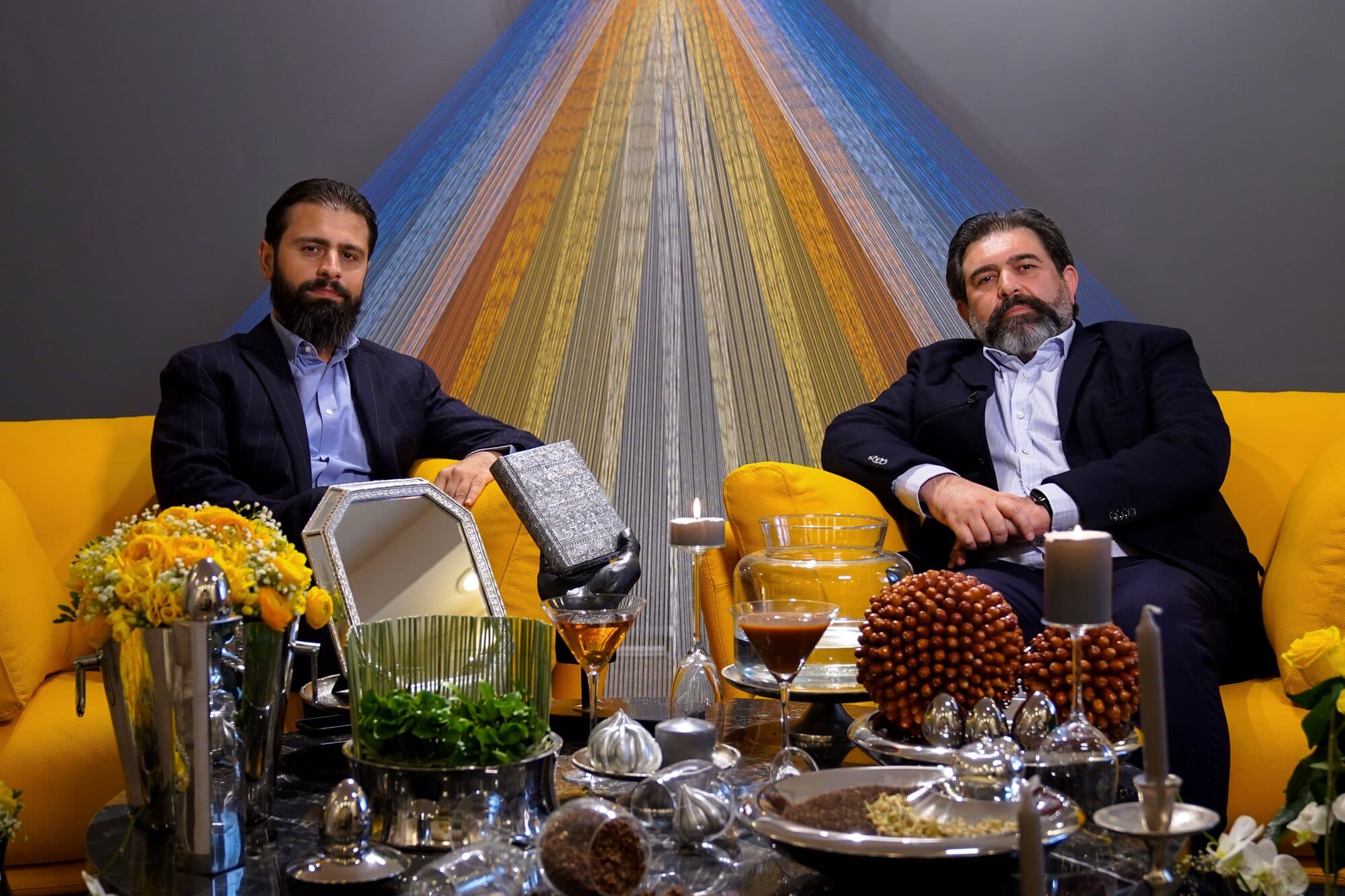
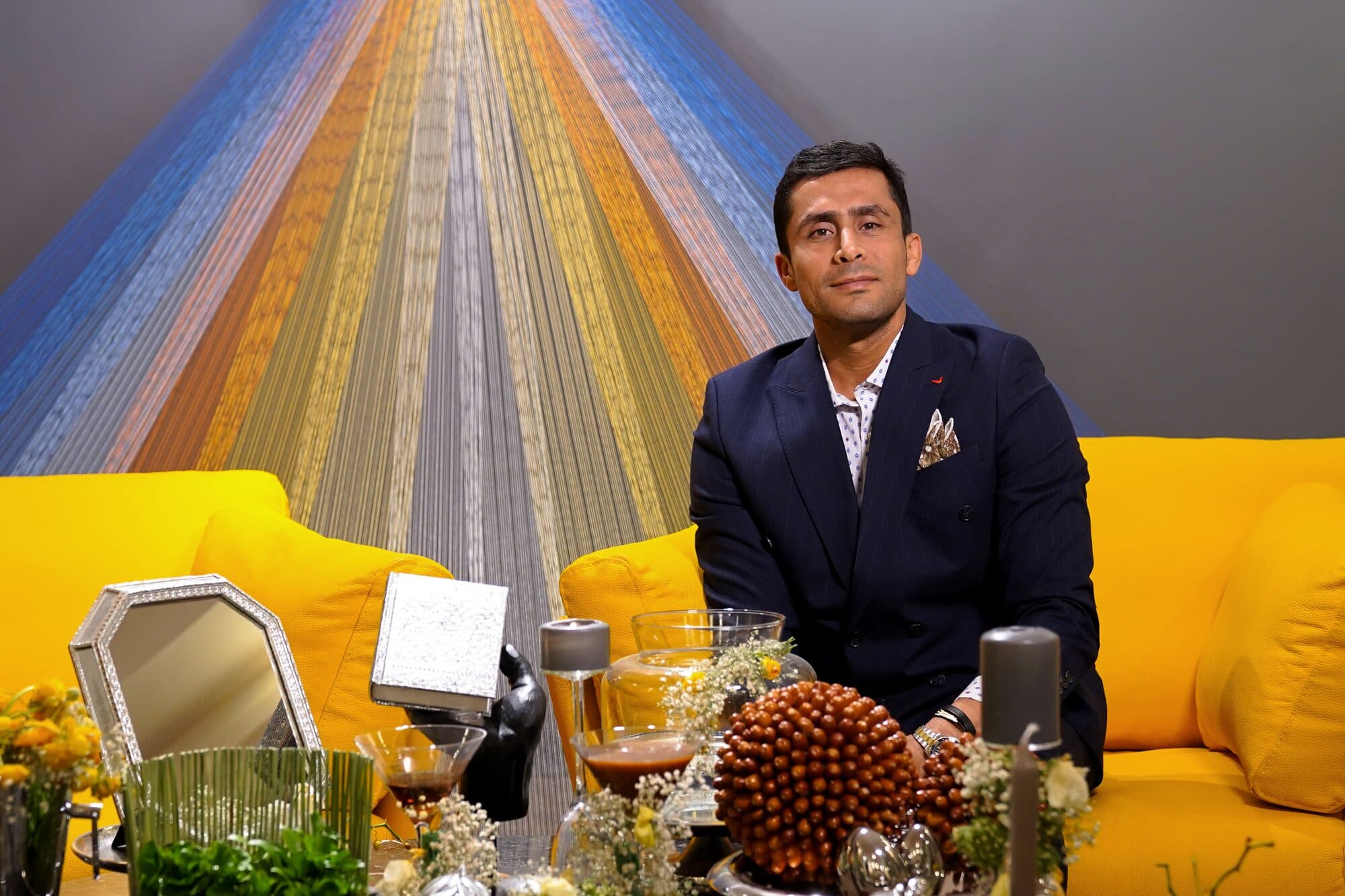
We did not rent a ballroom. Every year we cleared our own offices and rebuilt them into the setting for the evening. That is a good cost decision, but it was not a cost decision. In Persian culture you receive guests in your home — a rented hall says we have hired a place to see you in. It also meant every guest walked past the desks where their own work was actually made. No brochure has ever delivered that kind of proof.
03
Book the month nobody wants.
Conventional wisdom in Iran says never run marketing in Esfand: budgets are closed, nobody is buying, the whole country is distracted by the new year. Which is precisely the argument for it. We arrived in the one month of the year when we had nothing to sell, and every person in that room could feel it. There is no faster route to being trusted than showing up when there is visibly nothing in it for you.
04
Give an object with a job.
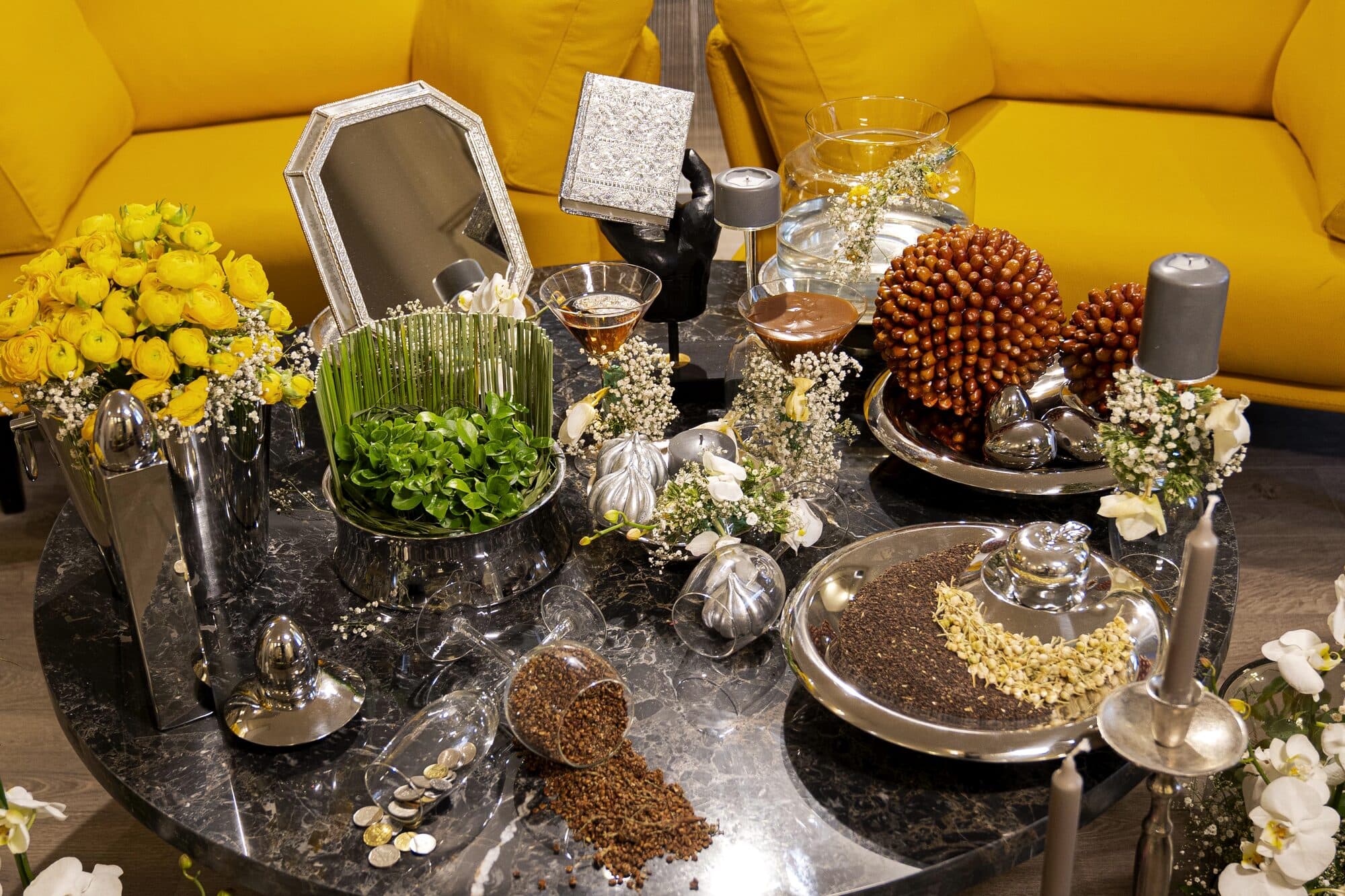
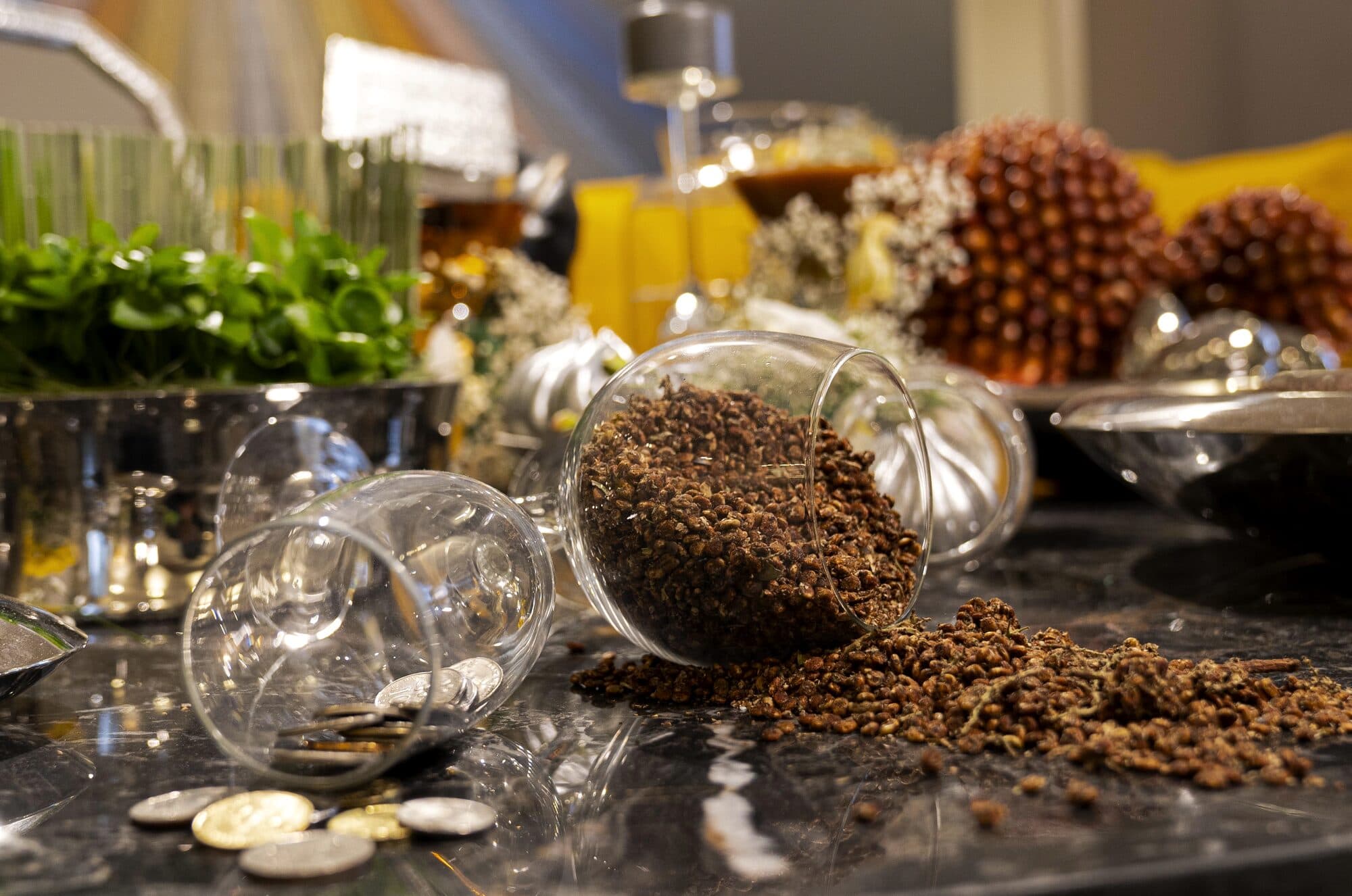
We stopped giving branded gifts entirely. Every guest left instead with one element of their own Haft-Seen — a dish of sabzeh, or a flower for the table. It cost a fraction of a corporate gift, and it did something no corporate gift can do: it went home. It stood at the centre of the family's table through the most photographed, most emotional two weeks of their year, in front of their parents and their children. A branded pen goes into a drawer. Sabzeh goes to the middle of the table.
Alongside it, each company received one keepsake — the piece that stayed in the office. One gift for the home, one for the desk, and neither of them a logo looking for a surface.
05
Hand it over yourself, or don't send it at all.
Nothing was shipped. The handover was the evening — the reason to come, and the moment the year's relationship was formally closed and reopened. Deleting the courier did not remove a cost line. It converted a logistics line into the emotional peak of the event.
06
Thirty nights is thirty rehearsals.
An event you run once can only be reviewed afterwards. An event you run thirty times in a row can be engineered while it is happening. Night three taught us something we had fixed by night four. Arrival, music, the order of the room, the moment the gift appeared, how long an evening should be allowed to last — all of it tuned in real time, in front of live guests, for a month. By the final week it was no longer a plan. It was a machine.
07
Film it while you are hosting it.
We built a corner for photographs and set a camera in a space designed beforehand. Guests were not warned. Mid-evening we would walk someone into it and ask them to record a new-year greeting. Nobody had time to prepare, which is precisely why the footage was good. Thirty nights produced a year of material, and a film we cut from it later became a moment in its own right. Most companies hire a crew to document an event. We designed a moment that generated the content by itself.
08
Write the answer down on the night.
We kept a book. Not a visitors' log — a book of the evening, left open in the room, and guests wrote in it before they left. Some left a line, some a paragraph. We read them afterwards, and the same words kept coming back: unforgettable, and — far more useful to us — this felt like a small, warm, private celebration, not a work function. That sentence is the entire design brief, handed back to us in the guests' own handwriting.
Fifteen years earlier I had stood in an exhibition hall while a client asked me whether it had been any good, and I had no honest answer. This is the answer, collected on the night, by the only people qualified to give it.
An experience is not a mood. It is a system. Thirty nights is how you find out which one you have built.
The detail that mattered
That edition carried us from the year 1399 into 1400 — a century turn in the Persian calendar. Nobody alive had ever said the number out loud, and it showed. A guest would be walked into the camera corner, asked to wish the country a happy new year, and say 1300. Or just 400. Or stop halfway and start again, laughing. Picture being handed a microphone in December 1999 and asked to say two thousand for the first time in your life.
We kept every take, including the ruined ones. Months later we cut the outtakes into a short film and played it at another of our events. It drew a bigger reaction than anything we had planned for that evening — because the audience was watching itself, at the exact moment it had been unguarded.
What happened
- Consecutive nights per edition
- 30
- Editions
- 3
- Guests per night
- 15–20, invited in advance
- Total guests hosted per edition
- ≈400
- Acceptance rate against invitations
- Over 90%
- Gifts shipped by courier
- 0
- Budget vs. the single-gala format
- Comparable — reallocated, and partly sponsor-funded
How we knew
The book told us first — and the sentence that kept reappearing in it was the design brief, word for word.
Then the behaviour confirmed it. Guests we had already hosted came back on a later night, uninvited, bringing someone with them. Some sent a gift the next day — the guest reciprocating the host, which in this culture is not politeness; it is a statement about where the evening sat for them. And the format kept improving: the third edition was a better evening than the first, which is what thirty rehearsals a season will do to anything.
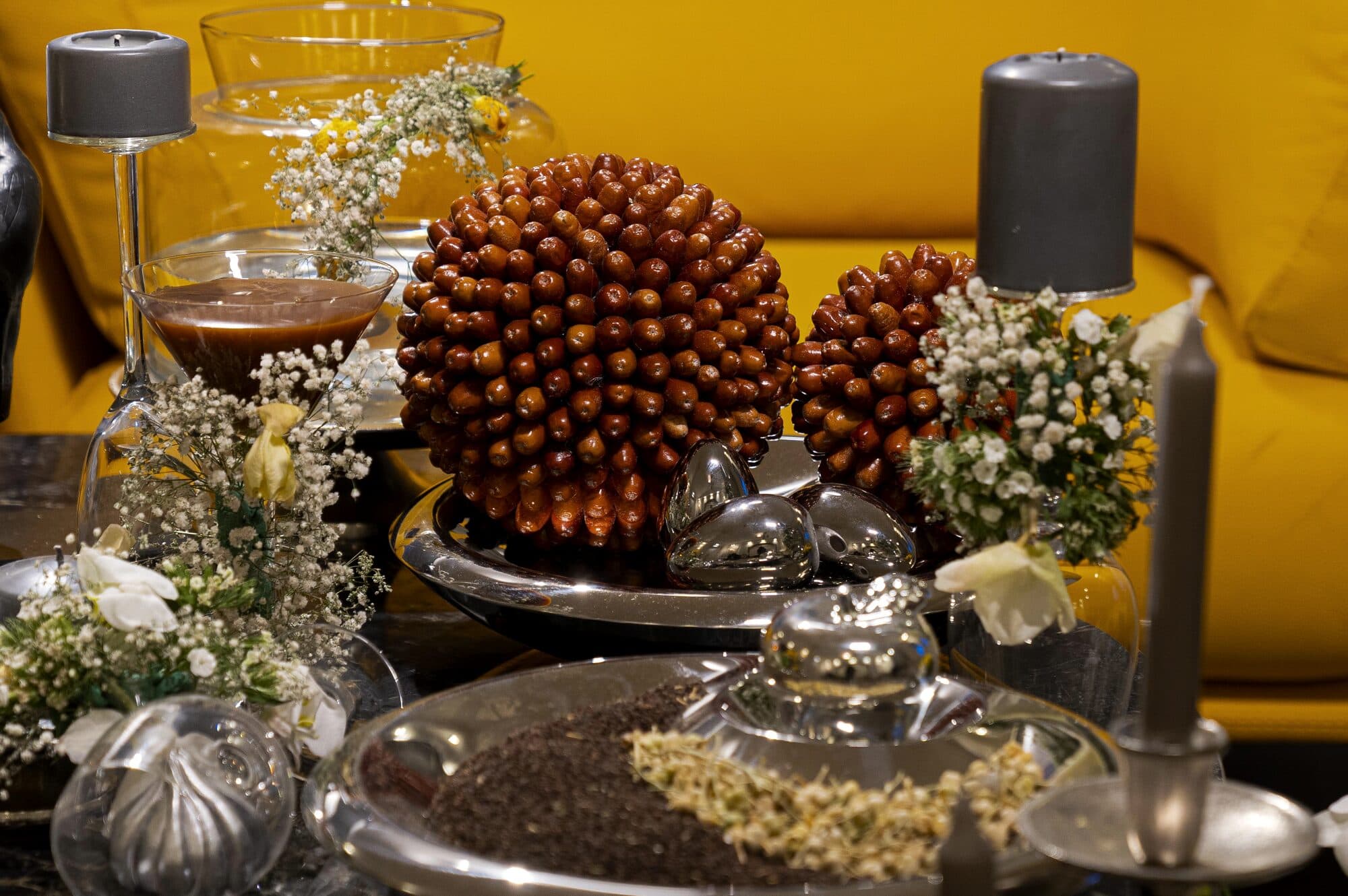
More frames from the evenings
What this means if you don't celebrate Nowruz
The ritual is Persian. The mechanics are not.
01
Count conversations, not recipients.
Take your year-end or Q4 client spend and divide it by the number of genuine conversations it produced. If that number is under thirty, you are running a logistics operation with a party attached to it.
02
Repetition is the cheapest quality upgrade you can buy.
Ten small dinners cost roughly what one large reception costs, and the tenth dinner is dramatically better than the first. A single annual event can never improve; it can only be survived.
03
The best gift has a job inside the recipient's own ritual.
Not your logo in their life — your presence inside a moment that was already going to matter to them. Find the table they were already going to set.
04
Show up in the season when you have nothing to sell.
Every industry has a month where the ask is obviously off the table. That is your month, and almost nobody is using it.
05
Build the answer into the night.
If you cannot say whether an event worked without commissioning a survey a week later, you did not design a measurement — you designed a hope. Put the instrument in the room, while people still feel what they felt.
06
Design the moment that makes your content.
Most companies hire a crew to film an event. Build the corner, the prompt and the reason to step into it, and the room produces the footage for you — unrehearsed, which is the only kind anyone watches.
07
If you have a space, you are under-using a brand asset.
An office that only ever holds employees is running at a fraction of its value.
The format ran for three years and could have run for ten. What made it work was not the culture, the flowers or the music. It was a single decision to stop measuring how many people we had reached and start measuring how many we had actually met.
You already know what you need.
Forty-five minutes, the real problem, a point of view and a first move.